










Breaking News
 Israel Vetoes Trump in the Middle East--Again
 Gen Z, the new 'Silent Generation,' swaps smartphones for dumb ones…
 How The World Views China Vs The US In 2026
 Can Sam Altman Be Trusted Inside Your Home? Meet OpenAI's New Always-On Smart Speaker
Top Tech News
 What could possibly go wrong? Scientists use AI to design new viruses
 Dual-motor suitcase drive underpins 3,000-hp hypercar
 DoorDash Wins Federal Approval To Fly Its Own Delivery Drones
 Shade-Resistant Solar Cells Retain 97% Efficiency After 2,000 Hours of Testing
 20 Ancient Engineering SECRETS
 Stonehenge Was Reanalyzed by AI -- And the Findings Are Hard to Explain
 After Years Of Delays, Aptera Is Finally Preparing To Build Customer Cars
 'When you kill it, it doesn't die': the jellyfish that has cracked the secret of immorta
 Archer Aviation debuts Halo autonomous VTOL, Thunder's commercial twin
 US Telecoms Slide On Starlink Mobile Threat; Bernstein Sees It As A "Jab, But No Knockout Yet**



Can Sam Altman Be Trusted Inside Your Home? Meet OpenAI's New Always-On Smart Speaker
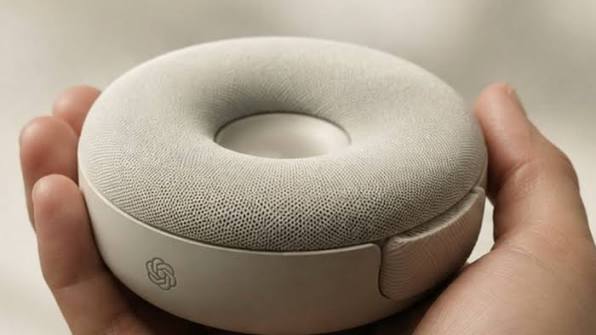
Amid this glaring trust issue, OpenAI now wants to place what Bloomberg describes as "essentially a smart speaker without a display" inside millions of homes.
Equipped with microphones, cameras, and environmental sensors, the $300 device would function as an always-on intelligence platform, potentially collecting voice, visual, behavioral, and household data.
The unresolved question is not what the device can perceive, but what OpenAI will retain, analyze, and ultimately monetize.
Bloomberg added more color on the device:
OpenAI is looking to break new ground with the product, which is slated for release in 2027. The device will be positioned as an AI-first computer that can help users get things done, the people said.
OpenAI's smart speaker was designed with Jony Ive's LoveFrom studio and represents the startup's first major push into consumer hardware. Apple's lawsuit alleging the misuse of proprietary metal-finishing techniques could complicate the rollout, though OpenAI denies the claims and insists it is building something fundamentally different from Apple's products.
Amazon's Alexa devices and other smart speakers have already exposed major privacy risks to consumers. OpenAI's ambition to learn users' routines, observe their surroundings, and personalize interactions raises these concerns even higher, particularly when trust in Altman's AI startup remains complicated.