










Breaking News
 The AI Bird-Flu Scenario They Just Published
 Japan's first robot ambulance works the 9-1-1 lines for humanoids
 Cheap smartphone add-on pinpoints hidden cameras to shut down spies
 The $600 Tank That Beats a $10,000 Powerwall
Top Tech News
 Terrifying AI Behavior Even Its Creators Couldn't Explain
 WW3 Near-Miss? AI Hallucinated Nuclear Weapons Components Aboard Chinese Vessel Bound For Iran
 Stripe Is Building the Toll Road for the Machine Economy
 Toyota Dakar hopeful swaps twin-turbo V6 for hydrogen fuel cells
 4-min turbo-inflatable cubic camp castle is now available in the USA
 Researchers Used Claude To Hack OpenAI Employee Accounts
 Chinese Scientists Develop New Oil Refining Method That Cuts Energy Use by 90%
 World's smallest CT scanner fits in the palm of your hand
 The Tesla Roadster will blow people's minds
 Peter Thiel-Funded Company Anduril to Triple the Number of Autonomous Surveillance Towers...



DoorDash Wins Federal Approval To Fly Its Own Delivery Drones
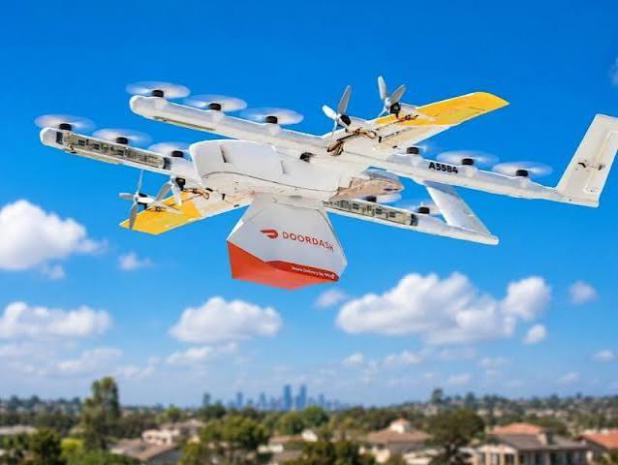
The San Francisco-based delivery company announced July 29 that it received Federal Aviation Administration Part 135 air carrier certification, the same category of authorization commercial airlines must hold to legally transport other people's property for pay. The certificate makes DoorDash the eighth drone operator to earn the designation and clears the way for its new in-house operation, DoorDash Air, to begin building a commercial drone delivery network in the United States.
The achievement did not come easily. Federal regulators put DoorDash through a five-phase review examining its aircraft, maintenance procedures and safety program before signing off. That kind of vetting is worth noting at a time when many Americans question whether Washington bureaucracies move too slowly to keep pace with private-sector innovation
DoorDash says the drone will be designed and built in the United States, with most of its components sourced domestically as well. Building the aircraft at home, rather than relying on foreign-made hardware, keeps DoorDash in step with a growing national push to reduce reliance on Chinese technology in critical infrastructure.
The company says the drones fix a real inefficiency. More than 20 percent of DoorDash orders in 2025 traveled between three and five miles, and those trips took nearly a quarter longer than shorter deliveries, largely because drivers prefer clusters of short trips near busy restaurants over a single long haul. DoorDash estimates its existing drone pilots completed deliveries in about 25 minutes on average and saw order volume climb roughly 30 percent in some locations. Those figures come from the company itself and have not been independently verified.
Human Dashers are not going anywhere. DoorDash says drivers will keep handling the overwhelming majority of deliveries, since a drone cannot climb an apartment stairwell or haul a large catering order. The company's Autonomous Delivery Platform will instead assign each order to whichever method, a Dasher, a delivery robot or a drone, makes the most sense.
Federal certification does not mean drones will appear over American neighborhoods anytime soon. DoorDash still needs airspace authorization and likely additional waivers for flights beyond a pilot's direct line of sight, and it has not announced its first markets or a launch date. Local zoning boards, noise concerns and community pushback could shape where the company is ultimately allowed to operate, regardless of what Washington has approved.
Still, DoorDash's milestone reflects a private company willing to invest in American manufacturing and clear federal hurdles rather than wait for government to hand it a shortcut.