










Breaking News
 War has restarted in Iran...Oil prices are spiking...Bond market is in trouble...
 DIY Borax Ant Killer | Simple Homemade Ant Bait
 What Happened to Our Money
 Outrageous Kirk Assassination Lies CALLED OUT!
Top Tech News
 Here's What to Expect as Air Taxis Actually Begin to Take Off
 'Wood Foam' Startup Uses Logging Waste as Substitute for Plastic, Producing 400 Pounds Daily
 How a Group of Young Men in 1933 Solved a Water Crisis in The Desert -- And Nobody Knows About It
 This American Battery Could Break China's Grip On The EV Supply Chain
 Tesla's Cybercab Launch Is Next Week. Here's What Tesla Still Needs To Prove
 800-passenger commercial plane boldly reinvents how we will fly
 Does Ultra-Fast Charging Ruin An EV Battery? BYD Did It 350 Times In 9 Days To Find Out
 Singapore is experimenting with biological computing using living human neurons...
 It's Happening - Europe is Building an Impossible Fusion Reactor
 Portable 1MW Kaleidos Microreactor Secures Critical Nuclear Fuel Deal Through 2030s



Single Pouch of Gerber Baby Food Contains About 5,000 Microplastic Particles
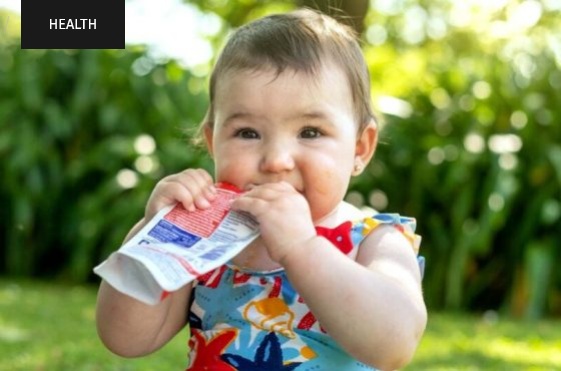
Many of us think of plastic as a simple, single material. It is not. It is made from more than 16,000 chemicals, including 4,200 known to harm human health. Babies are uniquely vulnerable to these chemicals. Their organs and nervous systems are developing rapidly. Even small exposures to certain chemicals can have lifelong effects on growth, metabolism and reproductive systems.
As new parents, we cherish the fleeting firsts: the first laugh, the first unsteady steps and the first foods at family dinners. We research, we plan and we try to give our babies the healthiest start possible. And in the swirl of advice from every direction, we often lean on what feels familiar and trusted.
For generations, store-bought baby food provided some of the earliest meals for babies across the country. The distinctive, petite glass jars have long symbolized the kind of wholesome, uncomplicated nourishment many parents reach for when they want something healthy and reliable.
Over time, many of these glass jars were replaced with plastic pouches — but plastic food containers have given us something new to consider.