










Breaking News
 Joe Rogan Experience #2544 - Chris Williamson
 Trump Ushers in 300,000 Tons of Foreign Mystery Meat and Sends American Farmers Into Bankruptcy
 UPDATE: Rent Control Fails Again, Politicians Learn Nothing
 War has restarted in Iran...Oil prices are spiking...Bond market is in trouble...
Top Tech News
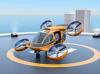 Here's What to Expect as Air Taxis Actually Begin to Take Off
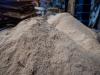 'Wood Foam' Startup Uses Logging Waste as Substitute for Plastic, Producing 400 Pounds Daily
 How a Group of Young Men in 1933 Solved a Water Crisis in The Desert -- And Nobody Knows About It
 This American Battery Could Break China's Grip On The EV Supply Chain
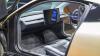 Tesla's Cybercab Launch Is Next Week. Here's What Tesla Still Needs To Prove
 800-passenger commercial plane boldly reinvents how we will fly
 Does Ultra-Fast Charging Ruin An EV Battery? BYD Did It 350 Times In 9 Days To Find Out
 Singapore is experimenting with biological computing using living human neurons...
 It's Happening - Europe is Building an Impossible Fusion Reactor
 Portable 1MW Kaleidos Microreactor Secures Critical Nuclear Fuel Deal Through 2030s



What Happened to Our Money
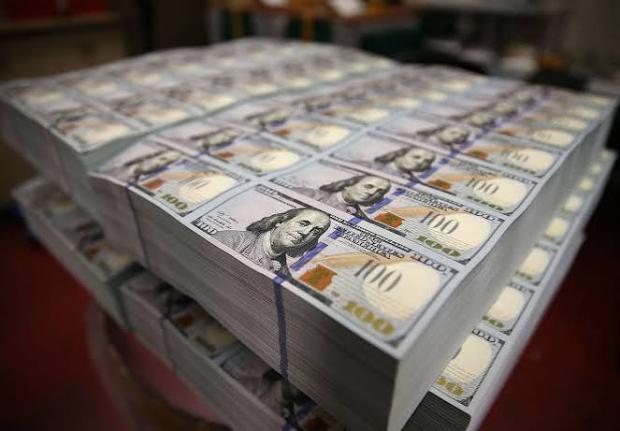
We've noted repeatedly how in 1913, with the establishment of the Fed, the monetary system got on the wrong track. Then, in 1971, it went off the rails.
By the late 1960s, the US government lacked real money to feed its fiscal furnace. The engine was suddenly incapable of pulling the guns and butter it promised to haul. So central bank engineers opted to burn paper to keep the train going. For a few years, this kept things rolling.
But the bumps intensified, the smoke thickened, and the rattling increased. When champagne started to spill in the first-class car, elite passengers demanded to be let off the train.
The French were first. They wanted a refund on their diluted billets. But the US porter defaulted on his obligation by withholding their gold.
Then, on August 15, 1971, the head of the railroad sealed the safe. That night, Richard Nixon declared that no one's ticket would be redeemed. They wouldn't be taken where they were promised to go.
The world was trapped on a ride it hadn't booked, and had never been on. From that day forward, the monetary train lost touch with the ground.
Henceforth, the dollar would "float", subject to the political whims of the men at the helm. Almost immediately, without the reliable guidance of sturdy rails, trust dissipated. On board, passengers noticed the cabins getting smaller, the portions shrinking, and the drinks being diluted.
Pile-Up
After the dollar detached from gold, prices rose, wages stagnated, and the stock market tanked. In real terms, it fell more than 70% by 1982. As interest rates went thru the roof, bonds fell thru the floor.
There were few places to hide. Among the bunkers were real assets, energy, and precious metals. By the end of the decade, oil quadrupled, and gold rose twenty times.
It was then that Paul Volcker hopped onto the locomotive, blew the whistle, and applied the brakes. He pulled the lever fast, and far. The economy screeched to a halt.
The pile-up was extensive, and the damage severe. But it was a time of low debt that could absorb high rates. That is not the world we're in today.
As passengers picked themselves up, brushed themselves off, and stumbled away, they swore they'd never again to be taken for a ride. But a new trip was about to begin.
In the early 1980s, equities were declared dead. Then, in the quiet dawn of a neglected cemetery, the bull market rose from the grave.