










Breaking News
 Questions Are Piling Up Fast As Pratt Suddenly Loses Second Place In LA Mayoral Vote
 Alex Jones Live: Treasonous NDAA Section Handing Israel The Keys To US Military Technologies...
 Oil Jumps After Israel Strikes Military Targets In Iran, Ignoring Trump Pleas Not To "Strike Ba
 Poll Finds Strong Support For Larger Families Despite Falling US Birth Rates
Top Tech News
 World's longest-range airliner takes to the skies
 Batteries That Use Sodium Instead of Lithium Could Be Low-Cost Rival to Tesla's
 Elon and SpaceX Have Made AI Training 10 Times Faster
 Oklo COO Says Nuclear Waste Could Power America For 150 Years
 SpaceX Announces LARGEST Starship Mission Ever! They've never done this before!
 Cars Are Fast Becoming Dystopian Prison Pods...
 Our Emergency Water Plan Wasn't Good Enough - So We Built This
 Sodium Ion Batteries Can Reach 100 Gigawatt Per Hour Per Year Scale in 2027
 Juiced Bikes proves capable electric motorcycles don't have to cost a lot
 Headlight projectors turn your car into a drive-in theater


Yemen's Houthis Declare Red Sea Ban on Israeli Vessels,...
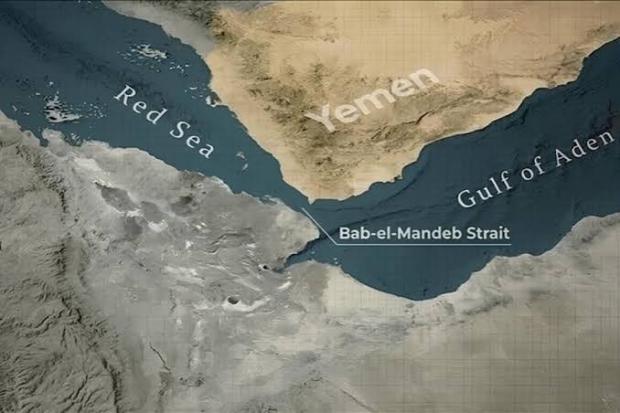
Houthis Declare Israeli Shipping Ban as Bab al-Mandab Emerges as the World's Most Dangerous Trade Corridor
The world's maritime arteries are increasingly becoming instruments of geopolitical pressure.
Yemen's Houthi movement has announced what it describes as a "complete and total ban" on Israeli vessels traversing the Red Sea, the Gulf of Aden and the Bab al-Mandab Strait, declaring that the strategic waterway has effectively been closed to Israeli-linked shipping. The declaration follows renewed missile launches toward Israel and arrives amid a widening regional confrontation that now spans multiple theatres, from the Persian Gulf and the Arabian Peninsula to the Levant and the Eastern Mediterranean.
At first glance, the move appears to be another episode in a prolonged regional conflict. In reality, it represents something far more consequential: the weaponisation of one of the world's most critical maritime chokepoints.
The Bab al-Mandab Strait, situated between Yemen and the Horn of Africa, is among the most strategically important waterways on Earth. At its narrowest point, the passage measures less than 30 kilometres across and serves as the southern gateway to the Suez Canal. Under normal conditions, millions of barrels of crude oil and petroleum products transit the route daily, alongside substantial liquefied natural gas shipments and approximately one-tenth of global seaborne trade.