










Breaking News
 Ex-CIA Agent Speaks Out: JFK, 9-11, UAPs, MLK, MKUltra & Everything Trump Is Hiding
 China takes satellite race with SpaceX to sea
 The Low-T Issue
 Tesla Cybercabs and Superchargers Will Act as Mini Cell Towers for SpaceX Starlink
Top Tech News
 Elon Vows AI-Made 'Odyssey' After Blasting Nolan's Take On Homer
 Anthropic is launching its own drug discovery programs for rare diseases using Claude...
 SpaceX AI Satellites Will Have 250 Kilowatts of Power
 Chinese researchers have developed a sodium-metal battery that can fully charge in just 4 minutes...
 SpaceX Starship Flight 13 in 3 Days - Thursday July 13
 Chinese Scientists Develop Nuclear Battery Using Carbon-14
 Teleoperated humanoid robots complete first-ever live surgery
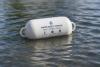 Floating capsule auto-disinfects water without chemicals or battery
 Modular Reactors To Solve Data Center Hysteria?
 DeepSeek Developing In-House AI Chip In Bid To Cut Nvidia Reliance



World's longest-range airliner takes to the skies

Getting from Australia's major eastern cities of Sydney and Melbourne to New York or London has always been an adventure. After the Second World War, it could take up to four weeks by steamship. If you were in a hurry, seaplanes could make the journey in a mere 12 days, albeit with nine stops along the way. When jet airliner service arrived in 1959, the voyage was cut to 33 hours with only three refueling stops.
Today, even after seven decades of technological improvements, these antipodal routes still require at least one stopover in hubs such as Singapore, Dubai, Los Angeles, or Dallas. That can add up to four hours to the journey, along with the risks of missed connections, lost baggage, delays, and the general aggravation of customs procedures.
To address this, Qantas launched its Project Sunrise initiative, aimed at introducing nonstop flights to the other side of the world. The purpose extends beyond passenger convenience. The airline sees such routes as a way to capture more premium-fare traffic while insulating its flagship services from foreign regulatory changes, airport curfews, landing-slot constraints,