










Breaking News
 The AI Bird-Flu Scenario They Just Published
 Japan's first robot ambulance works the 9-1-1 lines for humanoids
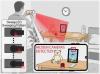 Cheap smartphone add-on pinpoints hidden cameras to shut down spies
 The $600 Tank That Beats a $10,000 Powerwall
Top Tech News
 Terrifying AI Behavior Even Its Creators Couldn't Explain
 WW3 Near-Miss? AI Hallucinated Nuclear Weapons Components Aboard Chinese Vessel Bound For Iran
 Stripe Is Building the Toll Road for the Machine Economy
 Toyota Dakar hopeful swaps twin-turbo V6 for hydrogen fuel cells
 4-min turbo-inflatable cubic camp castle is now available in the USA
 Researchers Used Claude To Hack OpenAI Employee Accounts
 Chinese Scientists Develop New Oil Refining Method That Cuts Energy Use by 90%
 World's smallest CT scanner fits in the palm of your hand
 The Tesla Roadster will blow people's minds
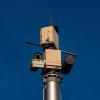 Peter Thiel-Funded Company Anduril to Triple the Number of Autonomous Surveillance Towers...



AI-enhanced stethoscope excels at listening to our hearts

The technology repeatedly proves itself when it comes to looking at – and into – the human body and predicting disease risk. Some examples of AI's diagnostic prowess include looking at chest X-rays , staring deeply into our eyes to detect diseases, reading MRIs to spot fat around our hearts, and even examining our tongues to detect conditions including asthma and anemia. Now, apparently, it can improve upon the humble stethoscope as well, according to a new study in the journal, Digital Health.
The study details the work of researchers based at various institutions across the United States who linked AI to a stethoscope to see how much of an improvement it could provide. To test the device, they assembled a group of 357 patients over the age of 50, all of whom had risk factors for heart disease including hypertension, diabetes, a body mass index above 30, or previous cardiac events.