










Breaking News
 15 Years After Occupy, the Case Against the System Has Never Been Clearer
 8 Prepper Hacks for Cleaning Without Running Water
 The Economy Is Stagnating
 Britain To Appoint A Dedicated Tax Agent To Every Single Billionaire
Top Tech News
 BEYOND THE MOON: NASA plans a nuclear-powered fleet to push DEEPER into space
 Big Oil Backs Mazama's $135 Million Bet On Superhot Geothermal
 Quantum compass takes flight on Northrop's Lumberjack drone
 Terrifying AI Behavior Even Its Creators Couldn't Explain
 WW3 Near-Miss? AI Hallucinated Nuclear Weapons Components Aboard Chinese Vessel Bound For Iran
 Stripe Is Building the Toll Road for the Machine Economy
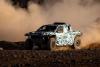 Toyota Dakar hopeful swaps twin-turbo V6 for hydrogen fuel cells
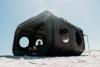 4-min turbo-inflatable cubic camp castle is now available in the USA
 Researchers Used Claude To Hack OpenAI Employee Accounts
 Chinese Scientists Develop New Oil Refining Method That Cuts Energy Use by 90%



The flying machines of the future?
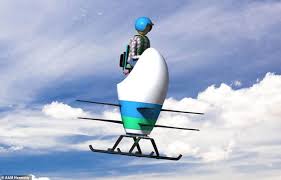
The finalists of a Boeing-backed competition to design a passenger-carrying flying machine of the future are getting ready to exhibit their entries after years in development.
The 'GoFly' competition this month is comprised of 850 teams from 130 countries competition to create the ultimate personal flying machine.
Competitors were tasked with creating a flying device that's safe, compact, quiet, capable of carrying one person for 20 miles without refuelling or recharging, and providing 'the thrill of flight'.
Outside of these requirements, Go Fly organisers said that the function and design of each machine is up to each individual team.
From February 27 to 29, the final five will put their personal flyers through their paces before one is crowned champion.
The two-year $2 million competition will culminate in 'fly-off' event next week at Moffett Fenderal Airfield at NASA's Ames Research Center in Mountain View, California.