










Breaking News
 15 Years After Occupy, the Case Against the System Has Never Been Clearer
 8 Prepper Hacks for Cleaning Without Running Water
 The Economy Is Stagnating
 Britain To Appoint A Dedicated Tax Agent To Every Single Billionaire
Top Tech News
 BEYOND THE MOON: NASA plans a nuclear-powered fleet to push DEEPER into space
 Big Oil Backs Mazama's $135 Million Bet On Superhot Geothermal
 Quantum compass takes flight on Northrop's Lumberjack drone
 Terrifying AI Behavior Even Its Creators Couldn't Explain
 WW3 Near-Miss? AI Hallucinated Nuclear Weapons Components Aboard Chinese Vessel Bound For Iran
 Stripe Is Building the Toll Road for the Machine Economy
 Toyota Dakar hopeful swaps twin-turbo V6 for hydrogen fuel cells
 4-min turbo-inflatable cubic camp castle is now available in the USA
 Researchers Used Claude To Hack OpenAI Employee Accounts
 Chinese Scientists Develop New Oil Refining Method That Cuts Energy Use by 90%



Nasa building supersonic plane that goes as fast as Concorde - without the sound
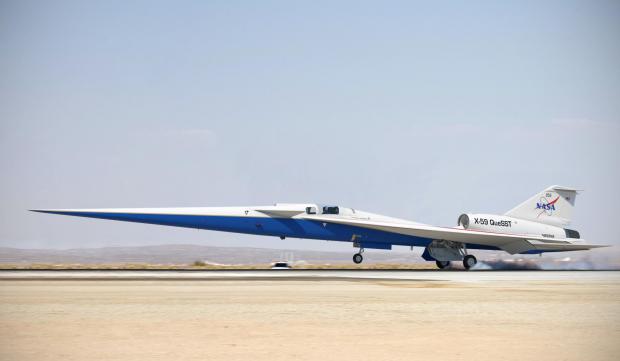
Nasa's X-59 space plane, capable of flying faster than the speed of sound without the loud boom that comes with supersonic flight, is finally nearing completion.
The plane will be the first large scale, piloted X-plane that Nasa has launched in more than 30 years when it is finally put together.
It could also herald a new era in fast space travel, as it attempts to overcome the problems that have blighted previous attempts like Concorde. Normally, supersonic planes create a loud boom when they reach the speed of sound and have as a result been banned from flying over populated areas – but the creators of the X-59 claim it will be almost silent.
And the space agency has announced that it is cleared for final assembly and "integration of its systems" after being looked over by senior managers.
The plane – which has the full name X-59 Quiet SuperSonic Technology (QueSST) – is being put together by Lockheed Martin, which will now work to complete it ahead of testing.