










Breaking News
 Winter Is Coming: Europe Faces Twin Diesel And NatGas Crunch
 Islamic Society Sues City Over Rejection Of Mosque Proposal
 Wall Street Crowns First Solar As Clear Winner After Trump's Polysilicon Tariffs Create...
 US Senate Pushes CLARITY Act Vote To September
Top Tech News
 What could possibly go wrong? Scientists use AI to design new viruses
 Dual-motor suitcase drive underpins 3,000-hp hypercar
 DoorDash Wins Federal Approval To Fly Its Own Delivery Drones
 Shade-Resistant Solar Cells Retain 97% Efficiency After 2,000 Hours of Testing
 20 Ancient Engineering SECRETS
 Stonehenge Was Reanalyzed by AI -- And the Findings Are Hard to Explain
 After Years Of Delays, Aptera Is Finally Preparing To Build Customer Cars
 'When you kill it, it doesn't die': the jellyfish that has cracked the secret of immorta
 Archer Aviation debuts Halo autonomous VTOL, Thunder's commercial twin
 US Telecoms Slide On Starlink Mobile Threat; Bernstein Sees It As A "Jab, But No Knockout Yet**



DOJ Offers 'BIDEN' Grants for Cities to Recoup Losses from Biden Immigration Policies
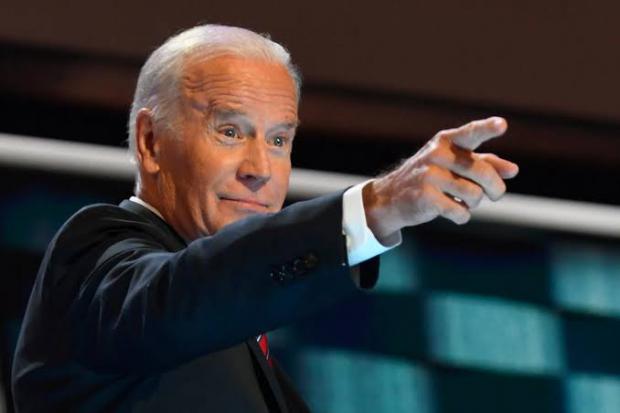
The grants, being called the Bridging Immigration-related Deficits Experienced Nationwide (BIDEN) program, is one of the biggest grant programs the DOJ has ever offered and is aimed at helping cities hire more police officers, upgrade technology, and build temporary detention facilities for illegal migrants, the Washington Post reported.
But there is one provision that is non-negotiable. The municipalities that apply for the grants must pledge to work with federal immigration authorities as they carry out federal immigration policies. The jurisdictions that apply must agree to "fully participate" in the ICE 287(g) partnership that links local law enforcement to ICE and other federal immigration enforcement agencies.
"This Department of Justice is committed to ensuring Biden-era border disasters never happen again," said Associate Attorney General Stanley Woodward. "We are proud to once again champion law and order."
The description of the program explains that the grant dollars are intended for "locating and apprehending aliens who have committed a crime under federal, state, or local law, in addition to being unlawfully present in the United States."
The DOJ also notes that some of the money may be expected to come back to the federal government as reimbursement for "the costs associated with federal law enforcement intervention" should federal resources have to be spent "to reduce crime or public disorder" related to immigration enforcement actions.
There are no other catches other than participation in the 287(g) program, and municipalities may spend the grant money however they wish.
The DOJ reported that 181 cities have already applied for the grants.
The BIDEN grants were established as part of the president's "One Big Beautiful Budget Bill" and allocates $3 billion up until September of 2028.
Patrick Royal, spokesman for the National Sheriffs' Association, said that the grants are a nobrainer, adding, "I can't see why people wouldn't take advantage of this opportunity to get more funding."