










Breaking News
 The AI Bird-Flu Scenario They Just Published
 Japan's first robot ambulance works the 9-1-1 lines for humanoids
 Cheap smartphone add-on pinpoints hidden cameras to shut down spies
 The $600 Tank That Beats a $10,000 Powerwall
Top Tech News
 Terrifying AI Behavior Even Its Creators Couldn't Explain
 WW3 Near-Miss? AI Hallucinated Nuclear Weapons Components Aboard Chinese Vessel Bound For Iran
 Stripe Is Building the Toll Road for the Machine Economy
 Toyota Dakar hopeful swaps twin-turbo V6 for hydrogen fuel cells
 4-min turbo-inflatable cubic camp castle is now available in the USA
 Researchers Used Claude To Hack OpenAI Employee Accounts
 Chinese Scientists Develop New Oil Refining Method That Cuts Energy Use by 90%
 World's smallest CT scanner fits in the palm of your hand
 The Tesla Roadster will blow people's minds
 Peter Thiel-Funded Company Anduril to Triple the Number of Autonomous Surveillance Towers...



Stop Guessing: When to Pressure Can vs. Water Bath Can
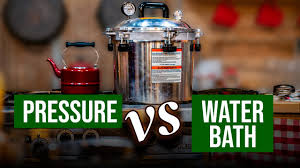
In this video, I'm walking you through the simple, clear difference between water bath canning and pressure canning so you can confidently choose the right method every time. Once you understand this, canning becomes so much less stressful.
I'll show you:
The difference between water bath canning and pressure canning
Why acidity matters for canning safety
Which foods are safe for water bath canning (high-acid foods)
Which foods must be pressure canned (low-acid foods)
The temperature differences that make each method safe
How to stop second-guessing yourself when you're canning
Water bath canning is what I use for high-acid foods like fruits, jams, jellies, and pickles. Pressure canning is what I use for low-acid foods like vegetables, meats, soups, and full meals.
Understanding this one distinction can completely change your confidence in the kitchen. You don't have to overthink it. You just match the food to the method.
If you're ready to start canning safely and filling your shelves with nourishing food for your family, this is a great place to start.