










Breaking News
 Too Close for Comfort? Washington Judge's AGO Ties Spark Recusal
 Keynesian Economics meme...
 Blast Them: A Rutgers Scientist Uses Lasers to Kill Weeds
 Christian Faith-Based Groups Helped Rebuild North Carolina After Hurricane Helene Destruction
Top Tech News
 New Spray-on Powder Instantly Seals Life-Threatening Wounds in Battle or During Disasters
 AI-enhanced stethoscope excels at listening to our hearts
 Flame-treated sunscreen keeps the zinc but cuts the smeary white look
 Display hub adds three more screens powered through single USB port
 We Finally Know How Fast The Tesla Semi Will Charge: Very, Very Fast
 Drone-launching underwater drone hitches a ride on ship and sub hulls
 Humanoid Robots Get "Brains" As Dual-Use Fears Mount
 SpaceX Authorized to Increase High Speed Internet Download Speeds 5X Through 2026
 Space AI is the Key to the Technological Singularity
 Velocitor X-1 eVTOL could be beating the traffic in just a year



Too Close for Comfort? Washington Judge's AGO Ties Spark Recusal
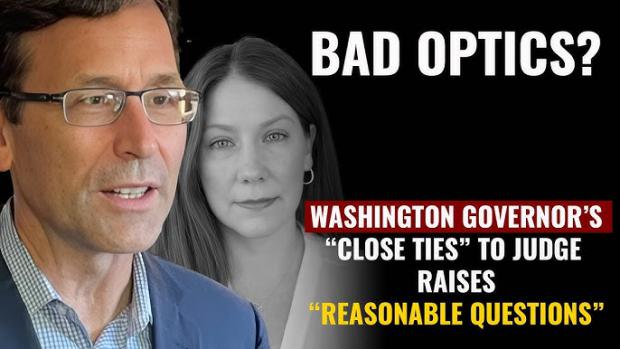
In February 2026, Wade and Teresa King of King Ranch filed a motion asking Grant County Superior Court to recuse Judge Jennifer Richardson from their case against the Washington Department of Natural Resources (DNR).
They are not alleging corruption.
They are not alleging misconduct.
They are asking a narrower question:
Does recent supervisory leadership inside the Washington Attorney General's Office — combined with that same office actively defending DNR in this case — create an appearance issue under Washington's judicial ethics rules?
Under Rule 2.11 of the Washington Code of Judicial Conduct, a judge must step aside if their "impartiality might reasonably be questioned."
This video walks through:
• The reassignment of the case days before a scheduled hearing
• Judge Richardson's prior role as Managing Assistant Attorney General
• Governor Bob Ferguson's appointment to the bench
• The ongoing role of the Attorney General's Office in defending DNR
• The legal standard for recusal in Washington
• Why institutional proximity can matter even without allegations of wrongdoing
This is not commentary.
This is document-driven reporting.
The court will now decide whether the appearance standard has been met.
The February 27 ruling may clarify how Washington courts interpret judicial independence when former executive legal officials transition directly to the bench while their former office remains active in related litigation.