










Breaking News
 Mirrored concrete for cheap solar energy
 All Government Is Dictatorial Because All Government Is Totalitarian
 Putin Says He's Ready for Peace
 Medicaid Fraud in Minnesota at least $9 Billion Since 2018
Top Tech News
 This tiny dev board is packed with features for ambitious makers
 Scientists Discover Gel to Regrow Tooth Enamel
 Vitamin C and Dandelion Root Killing Cancer Cells -- as Former CDC Director Calls for COVID-19...
 Galactic Brain: US firm plans space-based data centers, power grid to challenge China
 A microbial cleanup for glyphosate just earned a patent. Here's why that matters
 Japan Breaks Internet Speed Record with 5 Million Times Faster Data Transfer
 Advanced Propulsion Resources Part 1 of 2
 PulsarFusion a forward-thinking UK aerospace company, is pushing the boundaries of space travel...
 Dinky little laser box throws big-screen entertainment from inches away
 'World's first' sodium-ion flashlight shines bright even at -40 ºF



Silver: Who is Front-Running the US 232-Tariff Decision?
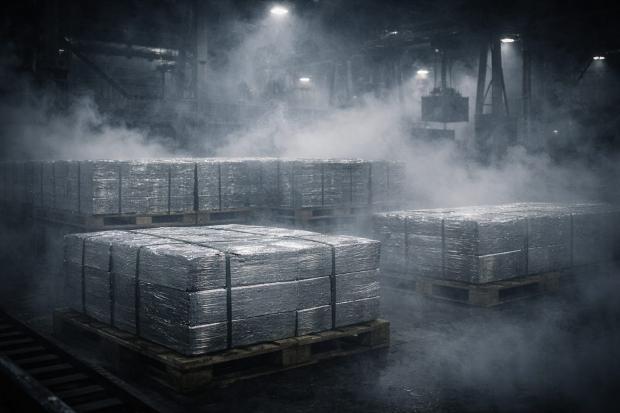
This piece examines why apparent abundance can coexist with higher prices, and why January 2026 matters more than it looks.
TL;DR — Key Takeaways
• Rising silver prices conflict with reports of domestic abundance, suggesting metal may be quietly reserved or hoarded rather than freely available to the market.
• JPMorgan's sustained physical activity and coverage of Section 232 are treated as signal, implying positioning ahead of potential policy or regulatory shifts.
• Section 232 creates a mid-January 2026 policy window where silver could be designated tariffed, incentivizing accumulation before any tariff action.
• The broader context points to a mercantilist framework: accumulate first, restrict access later, resulting in (kind of orderly, policy-managed upside.
Is The US Front-Running Tariff Implementation?
Authored by GoldFix
Despite widespread and verified claims of ample silver availability within the United States, current market behavior diverges from historical patterns typically associated with oversupply. Silver prices continue to advance even as participants report access to raw material, none of which is coming from London. This inconsistency points toward a different explanation: silver entering the U.S. market is increasingly spoken for at the institutional or national level, even if it has not yet been refined into final, deliverable form.