










Breaking News
 The AI Bird-Flu Scenario They Just Published
 Japan's first robot ambulance works the 9-1-1 lines for humanoids
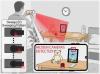 Cheap smartphone add-on pinpoints hidden cameras to shut down spies
 The $600 Tank That Beats a $10,000 Powerwall
Top Tech News
 BEYOND THE MOON: NASA plans a nuclear-powered fleet to push DEEPER into space
 Big Oil Backs Mazama's $135 Million Bet On Superhot Geothermal
 Quantum compass takes flight on Northrop's Lumberjack drone
 Terrifying AI Behavior Even Its Creators Couldn't Explain
 WW3 Near-Miss? AI Hallucinated Nuclear Weapons Components Aboard Chinese Vessel Bound For Iran
 Stripe Is Building the Toll Road for the Machine Economy
 Toyota Dakar hopeful swaps twin-turbo V6 for hydrogen fuel cells
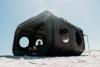 4-min turbo-inflatable cubic camp castle is now available in the USA
 Researchers Used Claude To Hack OpenAI Employee Accounts
 Chinese Scientists Develop New Oil Refining Method That Cuts Energy Use by 90%



Scientists Discover Gel to Regrow Tooth Enamel
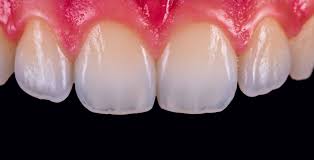
At the University of Nottingham, researchers have created a ground-breaking biomimetic gel that can rebuild enamel, the hardest tissue in the human body and the only part of a tooth that cannot naturally regenerate.
Until now.
The secret lies in mimicking how teeth originally form.
The gel uses engineered versions of amelogenin — a protein found in saliva that guides enamel growth during childhood. When applied to damaged teeth, it binds with calcium and phosphate ions to rebuild enamel crystal by crystal, in perfect alignment with your existing tooth structure.
Within just one week, the gel can regrow up to 10 micrometres of new enamel.
That means it can repair cracks, reverse early decay, smooth rough surfaces, and even reduce sensitivity — all without drills, fillings, or pain.
Fluoride can strengthen what you already have.
This technology actually creates new enamel, restoring the tooth to its natural state.
With over 3.7 billion people affected by cavities, this breakthrough could reshape dentistry entirely. Human trials are next — and if successful, the era of drilling and fillings could be replaced with a simple gel you apply like toothpaste.