










Breaking News
 BREAKING: ACTIVE SHOOTER at Brown University - Two People Dead - 8 Critically Injured
 Argentina Moves to Let Banks Offer Bitcoin and Crypto Services
 We're One Storm Away From Disaster
 Think a Dairy Cow Will Tie You Down? Here's the Truth.
Top Tech News
 This tiny dev board is packed with features for ambitious makers
 Scientists Discover Gel to Regrow Tooth Enamel
 Vitamin C and Dandelion Root Killing Cancer Cells -- as Former CDC Director Calls for COVID-19...
 Galactic Brain: US firm plans space-based data centers, power grid to challenge China
 A microbial cleanup for glyphosate just earned a patent. Here's why that matters
 Japan Breaks Internet Speed Record with 5 Million Times Faster Data Transfer
 Advanced Propulsion Resources Part 1 of 2
 PulsarFusion a forward-thinking UK aerospace company, is pushing the boundaries of space travel...
 Dinky little laser box throws big-screen entertainment from inches away
 'World's first' sodium-ion flashlight shines bright even at -40 ºF



Students challenge auto industry with modular EV you can fix yourself
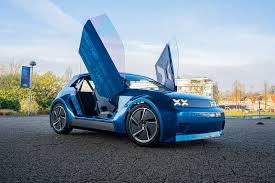
The car is called ARIA – 'Anyone Repairs It Anywhere' – and is the tenth electric vehicle prototype created at Eindhoven University of Technology (TU/e), in the Netherlands. Prototypes by previous ecomotive teams could scrub CO2 from the air as they drive, were manufactured from plastic waste recovered from the ocean, or engineered to last a lifetime.
Now, continuing the drive for more sustainable transportation, this year's students have unveiled a vehicle that features an innovative modular design where its components are easily swappable. When the batteries, body panels, or electronics fail or need maintenance, owners can replace them by using the included tools and following instructions from a diagnostic app that connects to the car's dashboard. No dealership visit required. This philosophy, according to the ecomotive team, dramatically reduces repair costs and extends the vehicle's usable lifespan.
The ARIA prototype reaches a maximum speed of 56 mph (90 km/h) and has a range of 137 miles (220 km). The vehicle is powered by six independent and interchangeable battery modules that deliver a combined 12.96 kWh of energy capacity.
The modular design allows users to swap a single degraded battery without replacing the entire pack. This approach departs sharply from the single, monolithic battery packs that traditional automakers use. Those packs are heavier (though typically more powerful) and must be entirely replaced if they fail. With too few mechanics trained in electric drivetrains and battery systems, repairs can drag on for weeks and could clock up thousands of dollars in charges, a costly repair that may force many owners to discard otherwise functional vehicles.
The vision here is clear, but ARIA remains a prototype and its creators have no plans to commercialize it, so its long-term performance under actual driving conditions is still unknown. Also, the jury is still out on whether the modular design will indeed prove to be as repair-friendly as the team claims after hundreds of hours on the road, or whether splitting the car into smaller modules creates maintenance challenges that traditional designs avoid.
This prototype is not the only attempt to create a modular car. The XBUS, developed by the German startup ElectricBrands, imagined Lego-like body swaps, allowing owners to transform from camper to pickup truck themselves. But funding shortfalls have stalled its timeline. The Kia PV5 has proven more commercially viable, with pre-orders opening this year. It uses proprietary electromagnetic 'Easy Swap' technology to reconfigure between taxi and cargo van modes, though it targets commercial fleets with dedicated infrastructure rather than regular drivers.