










Breaking News
 The AI Bird-Flu Scenario They Just Published
 Japan's first robot ambulance works the 9-1-1 lines for humanoids
 Cheap smartphone add-on pinpoints hidden cameras to shut down spies
 The $600 Tank That Beats a $10,000 Powerwall
Top Tech News
 BEYOND THE MOON: NASA plans a nuclear-powered fleet to push DEEPER into space
 Big Oil Backs Mazama's $135 Million Bet On Superhot Geothermal
 Quantum compass takes flight on Northrop's Lumberjack drone
 Terrifying AI Behavior Even Its Creators Couldn't Explain
 WW3 Near-Miss? AI Hallucinated Nuclear Weapons Components Aboard Chinese Vessel Bound For Iran
 Stripe Is Building the Toll Road for the Machine Economy
 Toyota Dakar hopeful swaps twin-turbo V6 for hydrogen fuel cells
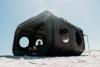 4-min turbo-inflatable cubic camp castle is now available in the USA
 Researchers Used Claude To Hack OpenAI Employee Accounts
 Chinese Scientists Develop New Oil Refining Method That Cuts Energy Use by 90%



Paul Pitchford's "Healing with Whole Foods" reveals the transformative power of food
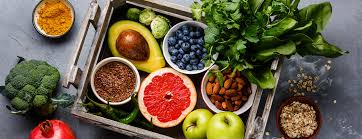
This groundbreaking work has inspired countless individuals to rethink their relationship with food, emphasizing its healing potential and the importance of personalized dietary choices. It emerged from Pitchford's deep study of both Western and Eastern dietary traditions, reflecting a growing recognition in the late 20th century of food's role in health.
A pivotal moment came when the U.S. Surgeon General acknowledged the dangers of poor eating habits, linking them to heart disease, stroke, diabetes and even cancer. Pitchford's work builds on this understanding, arguing that dietary changes rooted in ancient principles can lead to remarkable improvements in well-being. Rather than promoting a one-size-fits-all diet, the book encourages readers to identify foods that address their unique imbalances and enhance vitality.
At the heart of "Healing with Whole Foods" is the integration of Oriental traditions with contemporary nutrition. Pitchford introduces food therapies as a slow but profound way to influence the body's systems, contrasting them with the quicker effects of herbs or medicines. The book serves as a guide for self-diagnosis, helping readers discern which foods best suit their constitution and health needs.
A key concept is the yin-yang principle, which categorizes foods based on their properties – detoxifying foods for those with excess toxins, building foods for deficiencies and so on. This system remains effective even without a formal medical diagnosis, offering a practical framework for dietary choices.
The Principle of Extremes further enriches the book's philosophy, illustrating how balance is achieved through opposites. For instance, extreme activity leads to rest, and extreme age often brings a return to childlike qualities. This principle underscores the dynamic interplay of forces in nature and the body, reinforcing the idea that health is about equilibrium.
Pitchford also bridges Eastern and Western food therapies. He highlighting how the West focuses on macronutrients like proteins and fats, while the East emphasizes food's energetic qualities – warming, cooling, moistening or calming. Understanding these subtleties, he argues, is essential for using food as medicine.
Central to Pitchford's approach is a diet centered on whole grains and vegetables, staples of traditional diets worldwide. He celebrates the healing attributes of complex carbohydrates and advocates for a diverse intake of grains, legumes, sea vegetables, nuts and seeds.