










Breaking News
 How to Prep in Short-Term Locations
 Revolut Leak Shows the Cost of Constant ID Collection
 15 US Coffee Brands to Avoid -- And 5 That Are Actually Real Coffee
 Why Scammers Stay Silent for 3 Seconds When You Pick Up
Top Tech News
 Quantum computing may soon become part of the microscope itself.
 Volkswagen Just Unveiled The Most Efficient EV Ever Tested
 NASA Super Light Solar Sail Project Will Be 12-40 Times Lighter and Faster
 Space Telescope Interferometer to Image Exoplanet Continents
 Twenty-five years of "temporary": how 9/11 built a surveillance state Americans never vote
 I'll Never Buy Another WALMART Battery!
 Shoei GT-Air 3 Smart helmet drops with built-in AR for $1,500
 AI Whistleblower Tells Tucker How AI Could Kill All Humans by 2040
 You Hate Flock? Well There's More...
 Will Spiking Diesel Prices Drive Autonomous Trucking?



7 Uses for a Smartphone Once the World Goes Dark
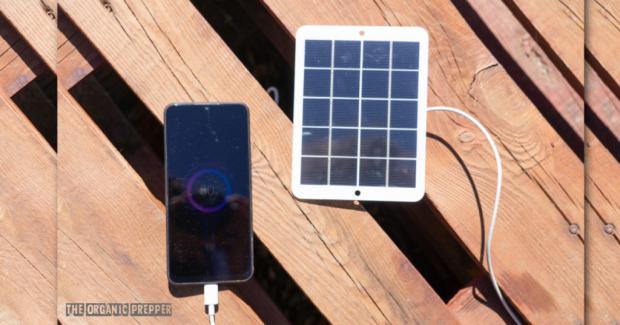
Dear readers, I am surprised by the last few years (using an 8-year-old smartphone now) of how people, often in a tight financial situation, change their phones within 2-3 years, no matter what. Behind these practical instruments lies a significant amount of technology, and the programmed obsolescence mindset of manufacturers works against users, forcing them to replace their perfectly usable phones.
That generates a lot of waste!
Recent advances, such as fast wireless charging systems, are great for eliminating the need for fiddling with wires and plugs that will eventually fail. As a matter of fact, this is my main reason for changing my handphone in the near future.
Electronic waste is much worse than "regular" or "normal" waste. The highly toxic chemicals in the batteries and the potentially harmful effects once they leak into the water tables have deep effects on our health. The authorities are merely scratching the surface regarding this issue. In some Asian countries, there are already concerning statistics on the lithium content in the citizens' bloodstream.
In a world stripped of cellular networks, Wi-Fi, and satellite signals—whether by a solar storm, EMP attack, or catastrophic societal collapse—your smartphone might seem like a useless brick.