










Breaking News
 This is the future we shall bring into being
 Elon Musk's Vision For The Future Looks Like A Movie
 Phosphorus Munitions Fired by Israel Burn Groves, Orchards in Southern Lebanon
 Iran's IRGC Warns It Will Expand 'Geography of the War' If the US Attacks Again
Top Tech News
 BEYOND THE MOON: NASA plans a nuclear-powered fleet to push DEEPER into space
 Big Oil Backs Mazama's $135 Million Bet On Superhot Geothermal
 Quantum compass takes flight on Northrop's Lumberjack drone
 Terrifying AI Behavior Even Its Creators Couldn't Explain
 WW3 Near-Miss? AI Hallucinated Nuclear Weapons Components Aboard Chinese Vessel Bound For Iran
 Stripe Is Building the Toll Road for the Machine Economy
 Toyota Dakar hopeful swaps twin-turbo V6 for hydrogen fuel cells
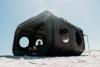 4-min turbo-inflatable cubic camp castle is now available in the USA
 Researchers Used Claude To Hack OpenAI Employee Accounts
 Chinese Scientists Develop New Oil Refining Method That Cuts Energy Use by 90%



H2Fly and Deutsche Aircraft announce hydrogen-powered 40-seat airliner
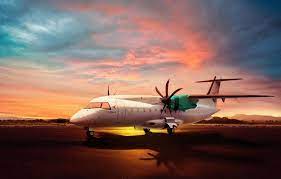
Deutsche Aircraft has acquired a Dornier 328, and signed an MoU with H2Fly to work together on hydrogen fuel cell R&D with a view to getting zero-emissions powertrains into commercial regional aircraft – without the long recharging times, heavy weight and restricted range of lithium battery systems.The standard Dornier 328 plane weighs 9,100 kg (20,062 lb), and runs twin Pratt & Whitney turboprop engines making a total of 1,625 kW (2,179 hp). In hydrogen-electric trim, the demonstrator plane will roll out a 1,500-kW (2,012-hp) fuel cell, which the companies say will make it the most powerful hydrogen aircraft ever. ZeroAvia, for comparison, is in the process of building its 19-seat HyFlyer II, with twin H2 powertrains delivering a total of 1,200 kW (1,609 hp).