










Breaking News
 15 Years After Occupy, the Case Against the System Has Never Been Clearer
 8 Prepper Hacks for Cleaning Without Running Water
 The Economy Is Stagnating
 Britain To Appoint A Dedicated Tax Agent To Every Single Billionaire
Top Tech News
 BEYOND THE MOON: NASA plans a nuclear-powered fleet to push DEEPER into space
 Big Oil Backs Mazama's $135 Million Bet On Superhot Geothermal
 Quantum compass takes flight on Northrop's Lumberjack drone
 Terrifying AI Behavior Even Its Creators Couldn't Explain
 WW3 Near-Miss? AI Hallucinated Nuclear Weapons Components Aboard Chinese Vessel Bound For Iran
 Stripe Is Building the Toll Road for the Machine Economy
 Toyota Dakar hopeful swaps twin-turbo V6 for hydrogen fuel cells
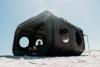 4-min turbo-inflatable cubic camp castle is now available in the USA
 Researchers Used Claude To Hack OpenAI Employee Accounts
 Chinese Scientists Develop New Oil Refining Method That Cuts Energy Use by 90%



Interview: The next steps for Lilium's eVTOL air taxi service
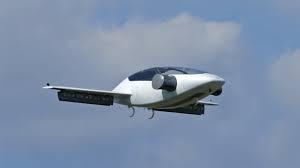
Leaders in the field would include Germany's Lilium and Volocopter, secretive Californian company Joby Aviation, Google co-founder Larry Page's Kitty Hawk startup, and Vahana, which is funded by Airbus. A potential disruptor has popped up recently in the form of US-East-Coast-based Alakai Skai, which is making a multicopter air taxi that uses liquid hydrogen fuel instead of lithium batteries, potentially offering a huge range and endurance advantage.
Each has its own take on aircraft and service design, but all are working toward the ultimate goal of putting electric aviation into the commuting mix – and all are promising Uber-equivalent per-mile prices that'll make them affordable for a much wider range of people than helicopters have ever been.
Lilium, riding on a US$100-million-plus wave of investment, notably from China's Tencent conglomerate, has been a hive of activity in the last few years, leaping from 70 employees in 2017 to more than 350 today. It has opened one manufacturing plant for its electric VTOL jets, and is building another, and it's hiring like mad with 150 jobs on the board right now and up to 500 more to come when the new manufacturing facility comes on line.