










Breaking News
 "Begin Preparing Yourself..." - Jeffrey Sachs
 The 5-Year Treasury Just Broke 5%... The Whole Curve Is Next
 ICE Denounced for Enacting 'Official Government Policy of Disappearing People'
 Google Just Told Canadian Adults: Give Us Your ID and a Selfie Or Else…And It's Starting Now!!
Top Tech News
 Tesla Model 3 killer charges from 10 to 97% in just 9 minutes
 World-first unpowered DNA computer sets speed record
 I Power 5 Buildings Off-Grid. Here's How
 The US government is pushing hard to get a working nuclear fission reactor into space by late 2028
 SpaceX Starmind AI in Space Radiator
 China Will Dominate Global Nuclear Energy Through 2035, Analyst Says
 These Absolutely Wild-Looking EVs Are Saudi Arabia's First Homegrown Cars
 BEYOND THE MOON: NASA plans a nuclear-powered fleet to push DEEPER into space
 Big Oil Backs Mazama's $135 Million Bet On Superhot Geothermal
 Quantum compass takes flight on Northrop's Lumberjack drone


Dissolvable implant promises to electrically speed up nerve regeneration
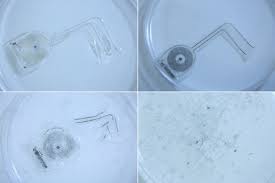
In a case of peripheral nerve injury we know that nerves can regenerate, but that can often be a slow and inefficient process, sometimes leaving a numbness or tingling in hands, arms or legs. We also know that administering electrical stimulation to the damaged nerves can boost healing, but outside of surgery there's currently no way to continuously deliver that helpful electrical boost.
The remarkable new device is designed to wrap around a damaged nerve and deliver programmed bursts of electrical stimulation. The current prototype is about the size of a dime, and able to operate wirelessly for up to two weeks before naturally dissolving into the body.