










Breaking News
 "Begin Preparing Yourself..." - Jeffrey Sachs
 The 5-Year Treasury Just Broke 5%... The Whole Curve Is Next
 ICE Denounced for Enacting 'Official Government Policy of Disappearing People'
 Google Just Told Canadian Adults: Give Us Your ID and a Selfie Or Else…And It's Starting Now!!
Top Tech News
 Tesla Model 3 killer charges from 10 to 97% in just 9 minutes
 World-first unpowered DNA computer sets speed record
 I Power 5 Buildings Off-Grid. Here's How
 The US government is pushing hard to get a working nuclear fission reactor into space by late 2028
 SpaceX Starmind AI in Space Radiator
 China Will Dominate Global Nuclear Energy Through 2035, Analyst Says
 These Absolutely Wild-Looking EVs Are Saudi Arabia's First Homegrown Cars
 BEYOND THE MOON: NASA plans a nuclear-powered fleet to push DEEPER into space
 Big Oil Backs Mazama's $135 Million Bet On Superhot Geothermal
 Quantum compass takes flight on Northrop's Lumberjack drone


Natural remedies for keeping creepy crawlies off people, pets and livestock
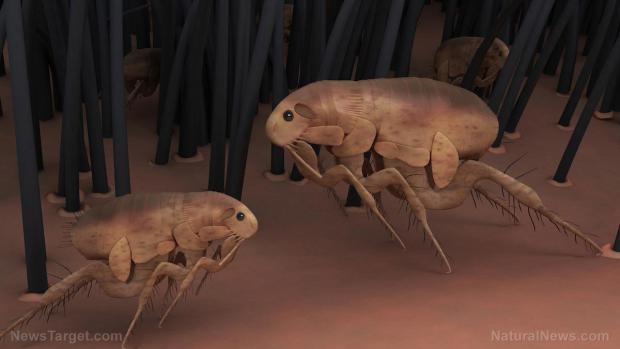
(Natural News) Insect pests are some of the worst problems you'll encounter as a pet or livestock owner. While commercial insecticides are readily available, they can be harmful to the environment and your animals due to their chemical content. Fortunately, there are some natural remedies that can provide the same results without the damaging effects of synthetic insect repellents. (h/t to SurvivalSullivan.com.)
Hitchhikers
Most insect pests find their way into homes and onto animals by hitching a ride on your clothes or your pet's fur after you've enjoyed some time outdoors. If left unnoticed, these insects can multiply by the thousands and cause an annoying and potentially dangerous infestation.
Fleas are parasites that are dark brown or light golden brown in color, and can be as big as a sesame seed when filled with eggs. They're attracted to warm-blooded animals and feed on their blood. Fleas can easily become a problem in your home if they find their way inside, as they also go after human blood. Flea bites are known to cause anemia and tapeworms in the host. The secret behind controlling fleas is getting rid of their larvae and eggs.
Natural flea deterrents include essential oils, baking soda, lemon spray, and rosemary, to name a few. Plants such as pennyroyal, chrysanthemums, lavender and spearmint are also great options for keeping away fleas. Grow these in your home for additional natural insect repellents.
Ticks are small arachnids that are commonly found feeding off the blood of house pets; mainly dogs. They're most abundant from spring to late fall, but can be found all year long. It's crucial to do a thorough tick check on your clothing and body, as well as your pet's body after being outside, especially in heavy-wooded and tall-grassed areas. Ticks thrive best in warm temperatures; you can find most of them attached to the belly, head, or around the eyes of your pet.