










Breaking News
 Evacuations begin as 'blockbuster' nor'easter barrels toward millions in 12 US states
 Trump's military prepares for Cuba as leaked Pentagon memo sends telling signal...
 Ford v. Hyundai: Henry Ford Must Be Turning In His Grave After New Report
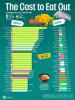 Switzerland Is Still The Most Expensive Place In The World To Eat Out
Top Tech News
 Tesla Model 3 killer charges from 10 to 97% in just 9 minutes
 World-first unpowered DNA computer sets speed record
 I Power 5 Buildings Off-Grid. Here's How
 The US government is pushing hard to get a working nuclear fission reactor into space by late 2028
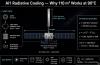 SpaceX Starmind AI in Space Radiator
 China Will Dominate Global Nuclear Energy Through 2035, Analyst Says
 These Absolutely Wild-Looking EVs Are Saudi Arabia's First Homegrown Cars
 BEYOND THE MOON: NASA plans a nuclear-powered fleet to push DEEPER into space
 Big Oil Backs Mazama's $135 Million Bet On Superhot Geothermal
 Quantum compass takes flight on Northrop's Lumberjack drone


Lunar XPrize extends mission deadline and adds extra milestone prizes

After over 10 years and multiple deadline extensions, it is hoped that this is the final elay for what has undeniably been an ambitious competition to get the first privately funded spacecraft onto the Moon.
The competition initially began with a rather straightforward brief – fly a spacecraft to the Moon, land, travel 500 m (1,640 ft) and transmit HD video back. The first entity to achieve those milestones would snatch a prize of US$20 million. As the years progressed, the creators of the challenge recognized the degree of difficulty of what they were asking and added several million dollars in developmental milestone awards.
In January the competition was whittled down to five serious contenders, who all secured launch contracts to take off sometime in 2017. Up to now the competition has stipulated that each mission must be launched by December 31, 2017.