










Breaking News
 Is Big Pharma Selling Postpartum Depression to New Moms?
 Make Men Men Again: Low T Is Now a National Defense Problem
 Druski: They're Lying To You About Overnight Success!
 $6.27 Diesel Just Hit Harvest. The Grocery Aisle Hasn't Felt It Yet.
Top Tech News
 Tesla Model 3 killer charges from 10 to 97% in just 9 minutes
 World-first unpowered DNA computer sets speed record
 I Power 5 Buildings Off-Grid. Here's How
 The US government is pushing hard to get a working nuclear fission reactor into space by late 2028
 SpaceX Starmind AI in Space Radiator
 China Will Dominate Global Nuclear Energy Through 2035, Analyst Says
 These Absolutely Wild-Looking EVs Are Saudi Arabia's First Homegrown Cars
 BEYOND THE MOON: NASA plans a nuclear-powered fleet to push DEEPER into space
 Big Oil Backs Mazama's $135 Million Bet On Superhot Geothermal
 Quantum compass takes flight on Northrop's Lumberjack drone


FDA approves 23andMe genetic test for consumers
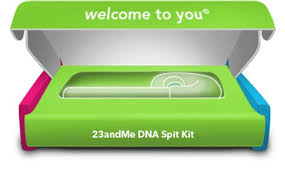
The approval last week is a turnaround for the agency, which had imposed a moratorium in 2013 on disease tests sold by the company, 23andMe, based in Mountain View, Calif. The decision is expected to open the floodgates for more direct-to-consumer tests for disease risks, drawing a road map for other companies to do the same thing.
The company will now be reporting telltale markers for 10 diseases. Most, such as factor XI deficiency, a blood clotting disorder, and Gaucher disease type 1, an organ and tissue illness, and celiac disease are rare. People who buy the $199 Ancestry and Health test from the company will automatically learn if they have mutations increasing their risk for those diseases.
Risk genes for Alzheimer's and Parkinson's are treated separately. Customers will have to specifically say that they want that information. The company's website offers links to genetic counselors for those who are weighing whether to be tested. If they want those results they will be included at no extra charge, although patients have to pay for the counseling separately.