










Breaking News
 Is Big Pharma Selling Postpartum Depression to New Moms?
 Make Men Men Again: Low T Is Now a National Defense Problem
 Druski: They're Lying To You About Overnight Success!
 $6.27 Diesel Just Hit Harvest. The Grocery Aisle Hasn't Felt It Yet.
Top Tech News
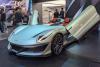 Tesla Model 3 killer charges from 10 to 97% in just 9 minutes
 World-first unpowered DNA computer sets speed record
 I Power 5 Buildings Off-Grid. Here's How
 The US government is pushing hard to get a working nuclear fission reactor into space by late 2028
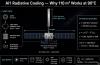 SpaceX Starmind AI in Space Radiator
 China Will Dominate Global Nuclear Energy Through 2035, Analyst Says
 These Absolutely Wild-Looking EVs Are Saudi Arabia's First Homegrown Cars
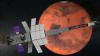 BEYOND THE MOON: NASA plans a nuclear-powered fleet to push DEEPER into space
 Big Oil Backs Mazama's $135 Million Bet On Superhot Geothermal
 Quantum compass takes flight on Northrop's Lumberjack drone


True Free Trade vs. 'Free Trade Deals':
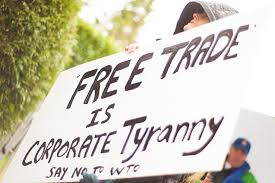
One of the most frustrating aspect of those trade negotiations that are sold as 'Free Trade Deals' is that they are not truly 'Free Trade' and, instead, they are just selective liberalisations that work to enrich particular interests, that increase the disparities between those who are endowed with political resources and those who are not, and that work to foster global, systemic trade imbalances (whether that be frustrating, persistent trade deficits or gross trade surpluses). Of course, this leads to advocates of True Free Trade to have a bad name despite the fact that the purist position is the most morally humane and efficient means through which to alleviate global poverty, improve peoples' welfare and tackle corporatist privileges.
Free Trade, broadly speaking, in the purest sense of the term would involve a situation where there are no tariffs, subsidies, quotas and significant trade restrictions such as licensure restrictions (which all work to unduly restrict exports and imports and, thereby, impede the flow of goods, services and income globally). Such a situation would work to alleviate both domestic and global inequalities.