










Breaking News
 Ukraine Collapse! The Walls Are Closing In On Zelensky's War and Money Laundering Operation
 The German State Continues to Torture Dr. Reiner Fuellmich
 Karen Kwiatkowski: Democrats on Notice, Midterms a Massive Protest Against U.S. Wars, Not Just Trump
 Why Mold Illness Goes Unrecognized
Top Tech News
 Prism puts an eye-controlled Linux computer on your face
 Remember Yesterday: AI For Today and Tomorrow
 Robot Mowers Invade America's Golf Courses, Putting Groundskeepers On Notice
 Monstrous 13-foot mecha craves the dangerous jobs humans avoid
 Scentronic tech lets you smell the internet
 Virgin Galactic's new rocket plane revives its bid for a space airline
 The metal kept moving east while the sellers ran, and Ronnie called the flush a week early
 Chinese Company Develops $1,000 AI-Powered Laser System To Kill Mosquitoes
 PRP vs Exosomes vs Stem Cells: Which Fits Your Condition?
 SHOCKING: The Secret (Frantzve) Family Business



Why Mold Illness Goes Unrecognized
Story at a Glance:
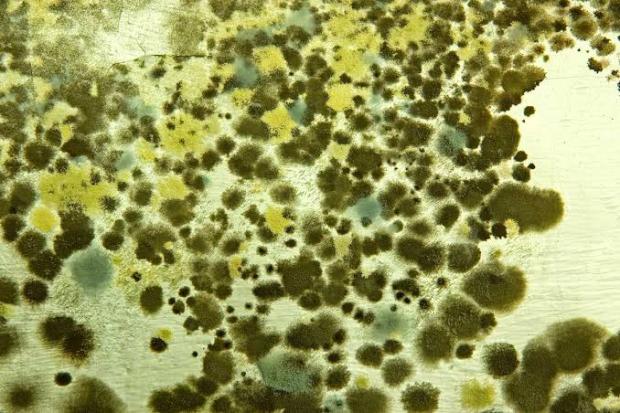
Mold illness is remarkably common, yet it is routinely missed, as its patients present with a bewildering array of symptoms that rarely fit a recognized diagnosis, and acknowledging it would expose builders, landlords, insurers and schools to almost unlimited liability.
Much of this was avoidable. Modern buildings are sealed tightly, made from materials that feed mold the moment they get wet, and rushed to completion, while far safer alternatives cost only slightly more. Since the builder rarely pays for the mold that follows, a wave of lawsuits now shows this cost is routinely shifted onto the families who move in.
Mold affects people very differently. Some become so sensitive that a brief visit to a moldy building incapacitates them for days, while most people in a damp building never become seriously ill, and the cell danger response explains much of why this happens and why the illness is so often reversible.
Most attempts to remediate homes fail because the repair spreads contamination through the house, and while the most well-known protocol often works, it is too demanding and expensive for many patients.
This article will review how to recognize mold illness, which tests are worth trusting (for both the body and the building), how to find a safe place to live, how to remediate a home in the order that actually works, and the more accessible and economical approaches we have found for addressing each facet of this complex illness (e.g., colonization and sensitization).
On September 18, Robert F. Kennedy Jr. hosted a Mold Surveillance Roundtable at HHS with the CDC's director, researchers, clinicians and patients1 where he shared that his family's 1920s farmhouse in Bedford, New York flooded in 2003 while they were on vacation and became overrun with black mold.1 Almost all of his children were affected, his wife was badly affected in ways her doctors could not understand, and the house was eventually torn down.1
Kennedy's story is by no means unique to his family, and within the integrative medical field, it is extremely common to encounter individuals who have spent years going from doctor to doctor with fatigue, brain fog, pain, chronic sinus issues, perplexing neurological issues and a growing sensitivity to foods, chemicals and medications, only to be told their labs are normal and leave without a diagnosis.
Mold patients hence face the same struggles other patients with complex illnesses have as:
• Many of the symptoms appear so peculiar and inexplicable, physicians will frequently ascribe them to a catch-all condition (e.g., chronic fatigue syndrome) or psychiatric disorders.