










Breaking News
 No Benefits: Why Most Americans Hate The Idea Of AI Data Centers
 Are America's Youth Really Embracing Socialism?
 Are We About to See a Foreclosure WAVE Hit the US Housing Market?
 They Rolled Out the Relics - Then Cut the Working-Lands Money
Top Tech News
 World's smallest CT scanner fits in the palm of your hand
 The Tesla Roadster will blow people's minds
 Peter Thiel-Funded Company Anduril to Triple the Number of Autonomous Surveillance Towers...
 Quantum computing may soon become part of the microscope itself.
 Volkswagen Just Unveiled The Most Efficient EV Ever Tested
 NASA Super Light Solar Sail Project Will Be 12-40 Times Lighter and Faster
 Space Telescope Interferometer to Image Exoplanet Continents
 Twenty-five years of "temporary": how 9/11 built a surveillance state Americans never vote
 I'll Never Buy Another WALMART Battery!
 Shoei GT-Air 3 Smart helmet drops with built-in AR for $1,500



No Benefits: Why Most Americans Hate The Idea Of AI Data Centers
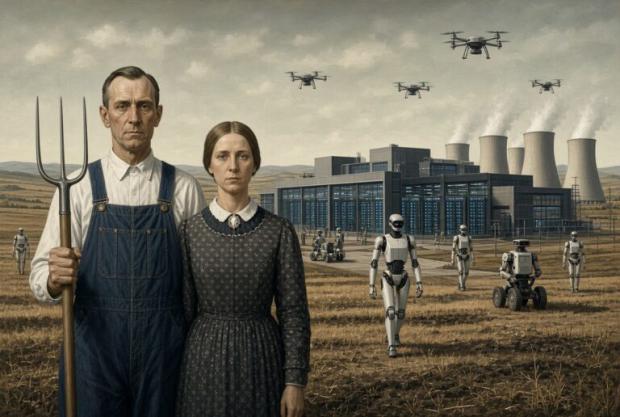
In recent months I've been asked by numerous readers to give my take on the AI data center issue and the debate it has ignited across the US. In response, I've jumped into a steep learning curve, but it seems to parallel information I've covered in previous articles on AI.
From what I can tell, both political parties are split on the data center debate. There are Democrats and Republicans on both sides of the divide, though their reasons for opposing or supporting the centers are not necessarily the same.
It's clear that the Trump Administration has given its seal of approval on the concept and this has spurred many on the left to mindlessly attack it by default. Some conservatives support the centers simply because leftists complain about them. It's important to move past the partisanship on this issue to get to the facts. According to polls, around 70% of Americans oppose new data centers in their communities, but why?
We might call it "infrastructure", which sounds very important, but it's clear that the reason for all the public apprehension about data centers is because no one has outlined any tangible benefits for the economy or society at large. Corporations and technocrats wax philosophical about a Utopian future, but this kind of rhetoric is rightly treated with suspicion.
People want to know, what is the actual point of building so many of these facilities? I'll try to break it down in basic terms…