










Breaking News
 Swap Lines: The Federal Reserve Extends Its Tightrope
 The Transgender Mirage Is Cracking
 The Collapse of the Saudi-American Alliance?
 BREAKING: EPA eliminates rule that limits 'greenhouse gas' emissions from power plants
Top Tech News
 Quantum computing may soon become part of the microscope itself.
 Volkswagen Just Unveiled The Most Efficient EV Ever Tested
 NASA Super Light Solar Sail Project Will Be 12-40 Times Lighter and Faster
 Space Telescope Interferometer to Image Exoplanet Continents
 Twenty-five years of "temporary": how 9/11 built a surveillance state Americans never vote
 I'll Never Buy Another WALMART Battery!
 Shoei GT-Air 3 Smart helmet drops with built-in AR for $1,500
 AI Whistleblower Tells Tucker How AI Could Kill All Humans by 2040
 You Hate Flock? Well There's More...
 Will Spiking Diesel Prices Drive Autonomous Trucking?



BREAKING: EPA eliminates rule that limits 'greenhouse gas' emissions from power plants
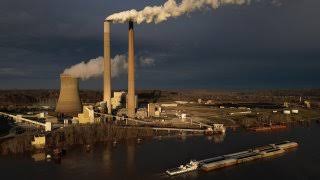
The rule change, first proposed last year, represents a fundamental shift from efforts by Democratic Presidents Joe Biden and Barack Obama to address climate change and clean up industrial pollution.
Environmental groups decried the change, saying it would come at a cost to Americans' health and further degrade the environment. EPA officials said the change would allow utilities to make the best decisions for their ratepayers rather than be forced to close aging or inefficient plants.
The rule is expected to face immediate legal challenges. In a related action, the EPA proposed a separate rule, expected to be made final next year, that could prevent future administrations from regulating greenhouse gas emissions from power plants. The proposal follows on EPA's action earlier this year revoking a scientific finding that long has been the central basis for U.S. action to regulate greenhouse gas emissions and fight climate change.
Republican President Donald Trump called climate change "the greatest con job ever perpetrated on the world" at a speech to the United Nations last year, and his administration withdrew the U.S. — for the second time — from the 2015 Paris climate accord that sets voluntary goals to curb planet-warming emissions.
Trump has boasted of U.S. energy abundance even as the Iran war continues to disrupt global fuel markets and gas prices top $4.31 a gallon, up more than a dollar from a year ago.