










Breaking News
 Trump Pissed Off The Globalists at G7 - SF732
 OFFICIAL TRAILER: The Religion Business
 'Now Witness The Firepower Of This Fully Armed And Operational Battle Station,' Cackles Obam
 Tail Wags Dog
Top Tech News
 Heads up: Apparently the government is hiding cameras inside fake utility boxes
 Sodium Batteries And EVs That Power The Grid: Inside GM's Big Energy Push
 NUCLEAR ENGINE - UNLIMITED LUXURY - 20 YEARS WITHOUT REFUELING
 China Unveils Nuclear-Powered Floating Hub For Green Shipping
 China Launches World's 1st Commercial Brain Chip, Beating Elon Musk's Neuralink!
 Modular next-gen US nuclear reactor goes critical
 How EMF's cause disease
 This Company Will Add Phone, AirPod, and Smartwatch Trackers to License Plate Readers
 Elon Details SpaceX AI Data Center in Space Details and Roadmap
 5-in-1 miniature surgical robot is the size of a seed


Watermelon as Medicine: How Nature's Hydrating Superfruit Supports Heart Health...
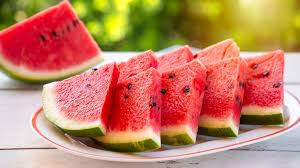
Watermelon, a fruit composed of approximately 92% water, provides a range of nutrients that can affect the body when consumed regularly, according to multiple health sources. One cup of diced watermelon delivers nearly 15% of the recommended daily intake of vitamin C, along with vitamins A and B6, according to dietitian Stephani Johnson. The fruit also contains lycopene, an antioxidant linked to reduced risk of chronic diseases, and citrulline, an amino acid that may improve vascular function.
Regular consumption also supplies magnesium, potassium, and fiber, contributing to electrolyte balance and gut health, experts said. Emerging research suggests watermelon may support cardiovascular health and improve diet quality, according to data from the National Health and Nutrition Examination Survey cited in a May 2026 report. [1] [2]
Hydration and Electrolyte Balance
Watermelon is about 92% water, making it a useful supplement to hydration, particularly during hot weather when fluid loss is increased, according to Laura Harris. The fruit helps maintain electrolyte balance, preventing symptoms like fatigue and muscle cramps caused by dehydration, experts said. While watermelon cannot replace drinking water, it provides both hydration and fuel, Johnson added.
In addition to water, watermelon supplies electrolytes such as potassium and magnesium. A 2008 book by Courteney Hazel states that watermelons clean the kidneys and bladder of "gravel" and reduce levels of uric acid in the blood, lowering the risk of kidney stones. [3] This diuretic effect, combined with the fruit's water content, supports fluid regulation, according to the same source. [2] [3]
Vitamins and Antioxidants
One cup of diced watermelon provides nearly 15% of the daily recommended intake of vitamin C, according to dietitian Stephani Johnson, and is also a good source of vitamins A and B6. Lycopene, the antioxidant giving watermelon its red color, protects against free radical damage and is linked to lower risk of certain cancers and heart disease, according to Johnson. Watermelons with bright red flesh contain the most lycopene, she explained.
A report published by NaturalNews.com in September 2020 noted that watermelons are exceptionally rich in carotenoids like lycopene, lutein, and beta-carotene, which are known for their potent antioxidant properties. [4] The fruit's antioxidant content contributes to reducing oxidative stress, which can damage cells, according to the report. [4] [5] A book by Karen Cicero titled "Kitchen counter cures" discusses lycopene's role in fighting cancer, diabetes, and heart disease, noting that lycopene is abundant in watermelon. [6]
Heart Health and Citrulline
Watermelon is a natural source of citrulline, an amino acid the body converts into arginine, which supports nitric oxide production, according to dietitian Johnson. Nitric oxide helps relax blood vessels, improving blood flow and potentially lowering blood pressure, according to research cited by Johnson. A pilot study conducted by food scientists at Florida State University showed that eating watermelon lowered blood pressure in prehypertensive individuals, according to a report. [7] [8]
A book by Jolene Hart titled "Eat pretty" explains that summer is the season to support the heart and small intestine, and that watermelon is a heart-supporting food. [9] The combination of citrulline and arginine appears to enhance vascular function and arterial elasticity, Johnson added. [2] [8]