










Breaking News
 #656: 1991
 How I Would Learn Herbalism From Scratch Today
 Peter Thiel's HIDDEN Elite Club "DIALOG" – The Tech Bilderberg NO ONE WAS SUPPOSED TO
 Retail Sales Surge 0.9 Percent in May, But Look Closer at Why
Top Tech News
 Heads up: Apparently the government is hiding cameras inside fake utility boxes
 Sodium Batteries And EVs That Power The Grid: Inside GM's Big Energy Push
 NUCLEAR ENGINE - UNLIMITED LUXURY - 20 YEARS WITHOUT REFUELING
 China Unveils Nuclear-Powered Floating Hub For Green Shipping
 China Launches World's 1st Commercial Brain Chip, Beating Elon Musk's Neuralink!
 Modular next-gen US nuclear reactor goes critical
 How EMF's cause disease
 This Company Will Add Phone, AirPod, and Smartwatch Trackers to License Plate Readers
 Elon Details SpaceX AI Data Center in Space Details and Roadmap
 5-in-1 miniature surgical robot is the size of a seed


Can Trust Exist Between the United States and Iran?
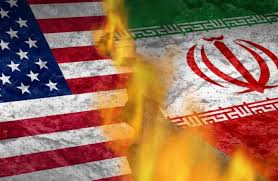
Three quarters of a century of experience with the United States has taught Iran caution, starting with the 1953 betrayal that took out the popular and democratically elected leader, Mohammad Mosaddegh, in a U.S. supported coup. During the current rounds of war and negotiation, American perfidy has repeatedly interrupted talks with missiles.
"Due to the experiences of the two previous wars, we have no trust in the opposing side," said Mohammad Bagher Ghalibaf, Speaker of Iranian Parliament and one of the leaders of the Iran negotiating team. "The opposing side ultimately failed to gain the trust of the Iranian delegation in this [first] round of negotiations."
Yet, it is CIA Director John Ratcliffe who, with the United States having signed a Memorandum of Understanding with Iran and being on the verge of a lasting peace, is counselling President Donald Trump not to trust Iran. Radcliffe is advising Trump that "evidence gathered by U.S. intelligence agencies raises serious doubts about Iran's willingness to make the nuclear concessions the U.S. is seeking in any final deal." In high-level meetings, he has "expressed concerns and raised questions" about the Memorandum of Understanding that Trump signed. Radcliffe says U.S. intelligence agencies have gathered intel suggesting that Iranian officials are talking one way to American mediators and a different way among themselves.
While Vice President J.D. Vance has argued in favor of the memorandum, Radcliffe has been joined by Secretary of State Marco Rubio and Secretary of Defense Pete Hegseth in questioning it.
This is an unsurprising trio of saboteurs. The three have been hawks generally, and Iran war hawks specifically, since before day one. Rubio has a hawkish history on nearly every issue, as Cubans and Venezuelans can testify. Though it was demonstrably working, Rubio favored illegally pulling out of the JCPOA nuclear agreement with Iran. He advocated the authorization of force without limits against Iran, including sending U.S. forces. In 2015, Rubio said that the U.S. "should never, ever take off the table the notion that it may be necessary to conduct some sort of nucle – uh, military strike against their nuclear ambition."
When Trump appointed Ratcliffe head of the CIA, he praised his appointee as a "fearless fighter" who will ensure "PEACE THROUGH STRENGTH." Better known as a China hawk, Ratcliffe is an Iran hawk as well. He has a history of arguing that past U.S. administrations have not been tough enough on Iran.
Hegseth has personified that transition from Department of Defense to Department of War. He has implemented war on Iran without rules of engagement, quarter or mercy. He has advocated for "negotiat[ing] with bombs."