










Breaking News
 Musk Supports Nuremberg-Style Trials After UK Rape-Gang Inquiry Release
 Fire Erupts At Massive Food Storage Warehouse In Southern California
 How Deep Are The Newsoms In It?
 America At 250: Survey Finds Enduring Patriotism, Growing Anxiety
Top Tech News
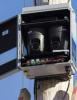 Heads up: Apparently the government is hiding cameras inside fake utility boxes
 Sodium Batteries And EVs That Power The Grid: Inside GM's Big Energy Push
 NUCLEAR ENGINE - UNLIMITED LUXURY - 20 YEARS WITHOUT REFUELING
 China Unveils Nuclear-Powered Floating Hub For Green Shipping
 China Launches World's 1st Commercial Brain Chip, Beating Elon Musk's Neuralink!
 Modular next-gen US nuclear reactor goes critical
 How EMF's cause disease
 This Company Will Add Phone, AirPod, and Smartwatch Trackers to License Plate Readers
 Elon Details SpaceX AI Data Center in Space Details and Roadmap
 5-in-1 miniature surgical robot is the size of a seed


Synthetic Milk: Children Must Not Become Experimental Subjects
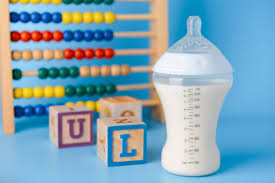
The study found that the molecular composition of synthetic milk was not equivalent to milk from cows. The differences were measurable, extensive and biologically relevant enough to warrant serious scientific and regulatory attention.
A newly published molecular analysis of precision-fermented milk products raises urgent questions regarding pediatric safety, unidentified fungal metabolites and the growing regulatory vacuum surrounding synthetic biology-derived foods.
We have entered an era in which food is no longer simply grown, raised, or produced traditionally.
Increasingly, it is being engineered through synthetic biology labs capable of generating novel proteins and fermentation-derived compounds with minimal, if any, knowledge of their effects on human consumption.
And now, these products are being offered as substitutes for one of the most biologically important foods in childhood: milk.
A newly published study in Scientific Reports serves as a serious warning to regulators, physicians, parents and public health officials alike.
The paper directly challenges one of the central assumptions driving the synthetic milk industry: that these products are substantially equivalent to natural dairy and therefore safe enough to enter the food supply under existing regulatory frameworks.
The findings suggest otherwise.
Researchers conducted detailed molecular analyses of a commercially available synthetic milk product produced by precision fermentation.
What they discovered raises alarming concerns not only about these products themselves, but about the regulatory inadequacy that allowed them onto the market with limited independent scrutiny.
The synthetic milk product analyzed in the study contained 236 fungal proteins and 93 unidentified fungal metabolites. Researchers also found major differences in amino acid composition and nutrient profile when compared to bovine milk.
Perhaps most strikingly, the product consisted largely of fungal proteins rather than the singular milk protein consumers are often led to believe they are purchasing.