










Breaking News
 China's Robot Just Joined the Police
 This symbol on products means cleaner ingredients?
 Horrible! Two-Thirds of Colleges Require DEI Courses to Graduate
 The option market has never been more bullish on chips, or more bearish on gold.
Top Tech News
 Heads up: Apparently the government is hiding cameras inside fake utility boxes
 Sodium Batteries And EVs That Power The Grid: Inside GM's Big Energy Push
 NUCLEAR ENGINE - UNLIMITED LUXURY - 20 YEARS WITHOUT REFUELING
 China Unveils Nuclear-Powered Floating Hub For Green Shipping
 China Launches World's 1st Commercial Brain Chip, Beating Elon Musk's Neuralink!
 Modular next-gen US nuclear reactor goes critical
 How EMF's cause disease
 This Company Will Add Phone, AirPod, and Smartwatch Trackers to License Plate Readers
 Elon Details SpaceX AI Data Center in Space Details and Roadmap
 5-in-1 miniature surgical robot is the size of a seed


Bond Market Sell Off: Welcome to the "Titanic Effect"
On April 14, 1912, at 11:40 pm, the Titanic—the legendary passenger ship regarded as unsinkable—tore open its hull on an iceberg during its maiden voyage from Southampton to New York. The watertight compartments filled with water, and—just 2 hours and 40 minutes later—the ship sank in the icy waters of the North Atlantic. Approximately 1,517 people lost their lives—not least because the Titanic did not carry enough lifeboats and the crew failed to summon help by radio in time.
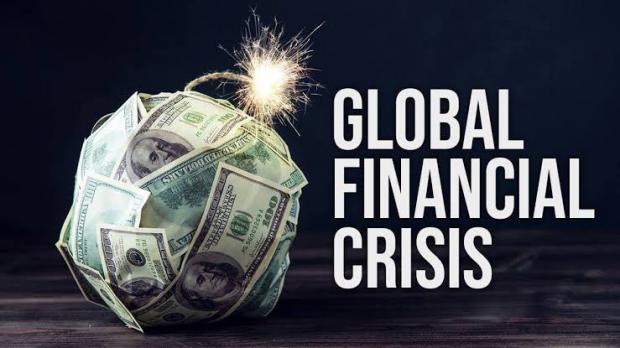
To stay with the metaphor: Just as the iceberg collision ultimately led to the Titanic's demise, a continued rise in interest rates can plunge the global financial and economic system into severe distress and, in the extreme case, trigger a fatal collapse, the going under, of the world's financial and economic system. Let us call this the "Titanic Effect."
Since 2020, interest rates have been climbing more or less steadily. The yield on 10-year US Treasuries, for example, has risen from 0.65 percent to currently around 4.5 percent. Yet the interest rate increase now appears to have taken on a momentum of its own. It has become more than just a "normalization" that merely lifts rates from extremely low levels back to historically more normal heights.
On the credit markets, doubts about the credit quality of many debtors are spreading, especially regarding government borrowers. This is hardly surprising given the enormous mountains of debt that governments—often enthusiastically encouraged by their voters—have piled up over recent decades. Living on credit was relatively easy because interest rates kept falling.