










Breaking News
 China's Robot Just Joined the Police
 This symbol on products means cleaner ingredients?
 Horrible! Two-Thirds of Colleges Require DEI Courses to Graduate
 The option market has never been more bullish on chips, or more bearish on gold.
Top Tech News
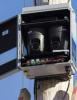 Heads up: Apparently the government is hiding cameras inside fake utility boxes
 Sodium Batteries And EVs That Power The Grid: Inside GM's Big Energy Push
 NUCLEAR ENGINE - UNLIMITED LUXURY - 20 YEARS WITHOUT REFUELING
 China Unveils Nuclear-Powered Floating Hub For Green Shipping
 China Launches World's 1st Commercial Brain Chip, Beating Elon Musk's Neuralink!
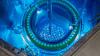 Modular next-gen US nuclear reactor goes critical
 How EMF's cause disease
 This Company Will Add Phone, AirPod, and Smartwatch Trackers to License Plate Readers
 Elon Details SpaceX AI Data Center in Space Details and Roadmap
 5-in-1 miniature surgical robot is the size of a seed


Why Pizza Hut Just Sold to Private Equity (Again)
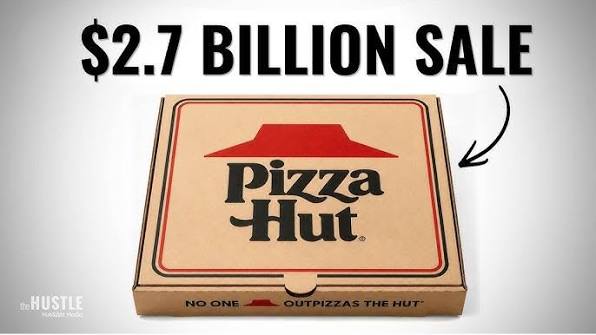
Pizza Hut pioneered online ordering in 1994, peaked at nearly 8,000 U.S. locations, and was once the #1 pizza chain in America. Today, Yum! Brands announced it's selling the entire brand for $2.7 billion.
The collapse wasn't about missing the digital shift - Pizza Hut saw it coming. The problem was structural. Its growth depended on franchisees like NPC International, which scaled through debt-fueled acquisitions and was operating hundreds of outdated dine-in locations by the time delivery took over. When corporate pushed for expensive modernization - smaller formats, delivery-optimized stores - the operators who'd have to pay for it were already underwater. By 2020, NPC filed for bankruptcy. The machine that built Pizza Hut became the thing that kept it from changing.
This episode traces that story through Pizza Hut's own ads, from stuffed-crust euphoria in 1995 to the slow unraveling of a model built for a world that no longer exists.