










Breaking News
 The AI Bird-Flu Scenario They Just Published
 Japan's first robot ambulance works the 9-1-1 lines for humanoids
 Cheap smartphone add-on pinpoints hidden cameras to shut down spies
 The $600 Tank That Beats a $10,000 Powerwall
Top Tech News
 Terrifying AI Behavior Even Its Creators Couldn't Explain
 WW3 Near-Miss? AI Hallucinated Nuclear Weapons Components Aboard Chinese Vessel Bound For Iran
 Stripe Is Building the Toll Road for the Machine Economy
 Toyota Dakar hopeful swaps twin-turbo V6 for hydrogen fuel cells
 4-min turbo-inflatable cubic camp castle is now available in the USA
 Researchers Used Claude To Hack OpenAI Employee Accounts
 Chinese Scientists Develop New Oil Refining Method That Cuts Energy Use by 90%
 World's smallest CT scanner fits in the palm of your hand
 The Tesla Roadster will blow people's minds
 Peter Thiel-Funded Company Anduril to Triple the Number of Autonomous Surveillance Towers...



The "Lazy" Garden That Waters Itself For 20 Years - Why Did We Forget It?
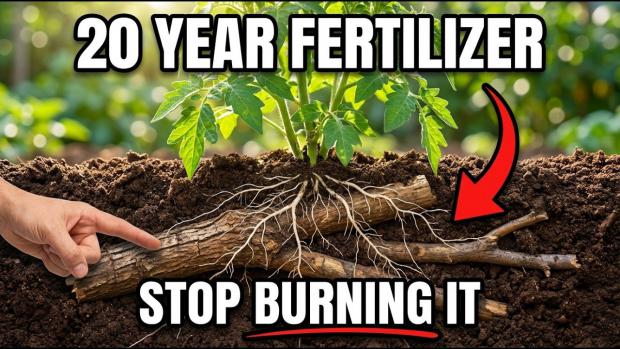
While you're spending $100 on toxic fertilizers, smart growers are using these 7 free methods to triple their yields. Get the $0 Harvest Blueprint here: https://forbiddenofficial.de/roots
Every autumn, millions of gardeners and landowners burn brush piles that could quietly feed their soil for decades. This video explores the forgotten practice of hügelkultur—burying wood beneath soil to create self-watering, self-fertilizing garden beds that last up to 20 years. Long before irrigation systems, chemical fertilizers, and flat mechanized fields, farmers understood something modern agriculture forgot: rotting wood is a reservoir.
High in the Austrian Alps, one farmer defied regulations, buried logs instead of burning them, and grew lemons, grapes, and kiwis in the snow—without hoses, without fertilizer, and without struggle.