










Breaking News
 Corruption in the System
 I Grew Sweet Potatoes 3 Different Ways, Here's What Happened
 "Income Taxes are ILLEGAL and Americans Should Revolt" Tax Expert Says | Redacted News
 Roofing Contractors Hate Me For Showing You This!
Top Tech News
 We Build and Test Microwave Blocking Panels - Invisible to Radar
 Man Successfully Designs mRNA Vaccine To Treat His Dog's Cancer
 Watch: Humanoid robot gets surprisingly good at tennis
 Low-cost hypersonic rocket engine takes flight for US Air Force
 Your WiFi Can See You. Here's How.
 Decentralizing Defense: A $96 Guided Rocket Just Put Precision Warfare into the Hands of the People
 Israel's Iron Beam and the laser future of missile defense
 Scientists at the Harbin University of Science and Technology have pioneered a sophisticated...
 Researchers have developed a breakthrough "molecular jackhammer" technique...
 Human trials are underway for a drug that regrows human teeth in just 4 days.



US tourists warned they must give over phone, computer passwords
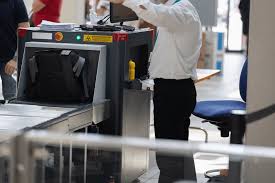
The warning was issued by the U.S. Consulate General in Hong Kong and Macao after the Hong Kong government amended the implementation rules of its National Security Law earlier this week, expanding police powers to access digital devices.
Why It Matters
The change significantly raises the stakes for travelers carrying smartphones, laptops, or other electronic devices, including those merely transiting through Hong Kong's international airport.
According to the U.S. Consulate, the updated rules apply to everyone in Hong Kong—residents, visitors, and travelers passing through the airport—and make it illegal to refuse police requests for passwords or decryption assistance.
What to Know
In a security alert dated March 26, the U.S. Consulate General said that, on March 23, 2026, Hong Kong authorities changed the rules governing enforcement of the National Security Law. Under the revised framework, police can require individuals to provide passwords or other assistance to access personal electronic devices, including cellphones and laptops.
The consulate warned that refusal to comply is now a criminal offense. It also said authorities have expanded powers to take and keep personal electronic devices as evidence if they claim the devices are linked to national security offenses.
The U.S. State Department's Bureau of Consular Affairs amplified the warning in a post shared by its TravelGov account, stressing that the rule applies even to travelers who are only transiting through Hong Kong International Airport.
The consulate advised U.S. citizens to contact American officials if they are arrested or detained and encouraged travelers to enroll in the Smart Traveler Enrollment Program (STEP) to receive security updates and alerts.
In 2025, U.S. Customs and Border Protection introduced their own broad authority to search travelers' electronic devices, including phones and laptops, at U.S. ports of entry under the so?called border search exception. However, while travelers—particularly visa holders and non?citizens—may be asked to unlock devices or have them searched, refusing to provide a password is not itself a criminal offense under U.S. law.