










Breaking News
 Powerful Pro-life Ad Set to Air During Super Bowl 'Adoption is an Option' (Video)
 Even in Winter, the Sun Still Shines in These Citrus Recipes
 Dates: The Ancient Fertility Remedy Modern Medicine Ignores Amid Record Low Birth Rates
 Amazon's $200 Billion Spending Shock Reveals Big Tech's Centralization Crisis
Top Tech News
 SpaceX Authorized to Increase High Speed Internet Download Speeds 5X Through 2026
 Space AI is the Key to the Technological Singularity
 Velocitor X-1 eVTOL could be beating the traffic in just a year
 Starlink smasher? China claims world's best high-powered microwave weapon
 Wood scraps turn 'useless' desert sand into concrete
 Let's Do a Detailed Review of Zorin -- Is This Good for Ex-Windows Users?
 The World's First Sodium-Ion Battery EV Is A Winter Range Monster
 China's CATL 5C Battery Breakthrough will Make Most Combustion Engine Vehicles OBSOLETE
 Study Shows Vaporizing E-Waste Makes it Easy to Recover Precious Metals at 13-Times Lower Costs
 Smart dust technology...


Dates: The Ancient Fertility Remedy Modern Medicine Ignores Amid Record Low Birth Rates
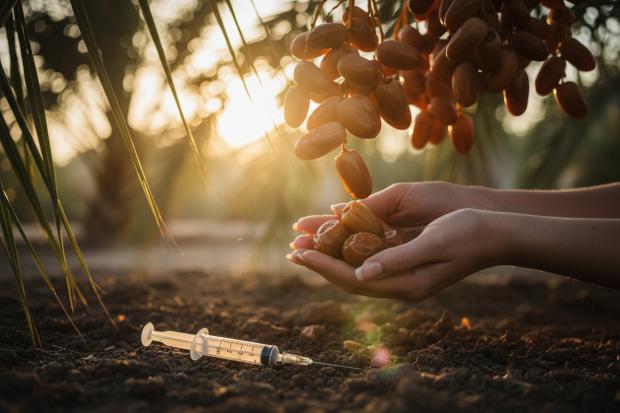
Introduction
In 2024, the U.S. fertility rate collapsed to a historic low of 1.599 births per woman, a staggering 22% decline since 2007 and far below the 2.1 replacement level needed for population stability [1]. While this hidden demographic crisis threatens the nation's future, the response from the conventional medical establishment has been a predictable push toward expensive, invasive, and synthetic interventions.
Western medicine aggressively promotes in-vitro fertilization (IVF) cycles costing $15,000 to $30,000 each [2] while ignoring the root nutritional, environmental, and metabolic causes of infertility. In doing so, it completely overlooks a powerful, ancient, and natural solution that has supported human reproduction for millennia: the humble date.
As the fertility industry profits from technological complexity, this 8,000-year-old fruit offers a profound lesson in holistic support that modern science is only beginning to understand. The failure to integrate such natural wisdom into mainstream care is not an oversight but a systemic flaw of an institution that prioritizes profit over prevention and pharmaceuticals over foundational health.
America's Hidden Fertility Collapse and the Failure of Western Medicine
The fertility crisis is a silent epidemic. Data confirms the U.S. birth rate has plummeted to its lowest recorded point, with women across nearly all age groups having fewer children [2]. This isn't merely a social trend; it's a biological red flag indicating widespread reproductive dysfunction.
Conventional fertility treatment is a financially lucrative dead-end. It focuses almost exclusively on expensive technological interventions like IVF, synthetic hormones, and invasive procedures. What's conspicuously absent is any meaningful investigation into the underlying causes. Doctors rarely assess critical mineral deficiencies that govern ovulation, test for inflammatory markers disrupting hormonal balance, or screen for the environmental toxins that are now known to devastate egg and sperm quality [3].
This model is a failure by design. It treats the symptom—inability to conceive—while profiting from the endless cycle of treatment. It ignores the fact that true reproductive health begins at the cellular level, supported by nutrition and hampered by the toxic burden of modern life, a connection the system has no incentive to address.
The Nutritional Powerhouse: How Dates Support Reproductive Health at the Cellular Level
Dates are not just a sweet treat; they are a concentrated source of bioavailable nutrients critical for fertility. A serving of just four Medjool dates delivers 668 mg of potassium, essential for cellular signaling and hormone function, alongside substantial magnesium which is required for progesterone production [2].
This mineral profile is crucial. Magnesium deficiency directly impairs progesterone, while inadequate copper disrupts estrogen metabolism—both common yet unaddressed issues in women struggling to conceive [2]. Dates provide these and other minerals like phosphorus and calcium, which are vital for building the bone strength required to sustain a healthy pregnancy.
Beyond minerals, dates are rich in protective phytochemicals. Their polyphenols and flavonoids, such as catechins, combat the oxidative stress that damages the delicate DNA of eggs and sperm [2]. Perhaps most importantly, dates provide natural sugars paired with 6.4 grams of fiber per serving, creating a low-glycemic energy source that prevents the blood sugar spikes known to disrupt insulin sensitivity and sabotage ovulation [2]. This combination of targeted nutrition and metabolic support is something no synthetic drug can replicate.