










Breaking News
 Powerful Pro-life Ad Set to Air During Super Bowl 'Adoption is an Option' (Video)
 Even in Winter, the Sun Still Shines in These Citrus Recipes
 Dates: The Ancient Fertility Remedy Modern Medicine Ignores Amid Record Low Birth Rates
 Amazon's $200 Billion Spending Shock Reveals Big Tech's Centralization Crisis
Top Tech News
 SpaceX Authorized to Increase High Speed Internet Download Speeds 5X Through 2026
 Space AI is the Key to the Technological Singularity
 Velocitor X-1 eVTOL could be beating the traffic in just a year
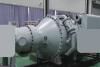 Starlink smasher? China claims world's best high-powered microwave weapon
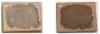 Wood scraps turn 'useless' desert sand into concrete
 Let's Do a Detailed Review of Zorin -- Is This Good for Ex-Windows Users?
 The World's First Sodium-Ion Battery EV Is A Winter Range Monster
 China's CATL 5C Battery Breakthrough will Make Most Combustion Engine Vehicles OBSOLETE
 Study Shows Vaporizing E-Waste Makes it Easy to Recover Precious Metals at 13-Times Lower Costs
 Smart dust technology...


Study Shows Vaporizing E-Waste Makes it Easy to Recover Precious Metals at 13-Times Lower Costs
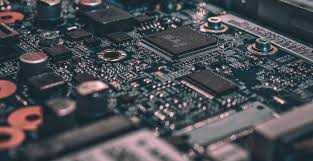
According to their analysis, relying on e-waste for a precious metals supply could be 13-times cheaper than mining them from the ground. However, previous methods have involved throwing this or that broken gizmo into a furnace powered by copious amounts of energy while also releasing toxic substances into air.
By contrast, "flash joule heating," a way of using electrical currents to vaporizing the valuable metals from the materials that hold electronics together is between 80 and 500-times more energy efficient.
One 2008 study calculated that one ton of mobile phones without batteries contains about 130kg of copper, 3.5kg of silver, 340 grams of gold, and 140 grams of palladium.
Those totals, if assayed as part of a drilling survey at a mine, would be considered world class results in the 99th percentile of grades.
Most open pit mining operations will run at a rate of between 0.5 and 1.8 grams per-ton gold and 100 to 180 grams per-ton silver. Some 40 million tons of e-waste is produced annually, so some simple mathematics reveals the potential economy to be found in harvesting e-waste for metals—a process termed "urban mining" by scientists.
Scientists at Rice University shredded a printed circuit board for their experiments, and mixed it with carbon black as a conductive additive. Once in the flash joule chamber, the current applied is so high that the precious metals, like rhodium, copper, and gold, turn briefly to vapor, while the carbon-based components like the plastic, are carbonized. This same process has been used to turn plastic into diamonds.
Mining companies for base and precious metals use a variety of patented recovery processes to separate gold, zinc, or nickel from the ore body.
Just like in mining, additives enhanced the recovery percentage of the metals from their vaporized form, including halides or fluorine-based substances. These brought the recovery of rhodium up to greater than 80%, and palladium to 70%. Bleach and other chlorine-based compounds brought the silver recovery rate up to greater than 80% as well.
With the prices of these metals skyrocketing of late, new and cheaper supplies will be crucial to ensure important industries remain intact and competitive.