










Breaking News
 "Appalling": Debanking Explodes To Record High In Britain
 MTG explodes in astonishing f-bomb laden tirade as Trump orders Secret Service probe:
 "World's Criminals On Notice": Trump's Gunboat Diplomacy Seizes Another Tanker In
 Battleborn Battery MELTED?! New Problem!
Top Tech News
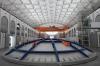 World's most powerful hypergravity machine is 1,900X stronger than Earth
 New battery idea gets lots of power out of unusual sulfur chemistry
 Anti-Aging Drug Regrows Knee Cartilage in Major Breakthrough That Could End Knee Replacements
 Scientists say recent advances in Quantum Entanglement...
 Solid-State Batteries Are In 'Trailblazer' Mode. What's Holding Them Up?
 US Farmers Began Using Chemical Fertilizer After WW2. Comfrey Is a Natural Super Fertilizer
 Kawasaki's four-legged robot-horse vehicle is going into production
 The First Production All-Solid-State Battery Is Here, And It Promises 5-Minute Charging
 See inside the tech-topia cities billionaires are betting big on developing...
 Storage doesn't get much cheaper than this


From bombardment to attrition: Russia's battlefield gains in Ukraine hit highest level since
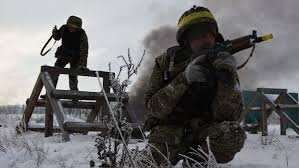
According to an AFP analysis of battlefield data, Russian forces captured more land last year than in the previous two years combined, pressing their advantage against Ukrainian troops stretched thin by manpower shortages and equipment gaps.
Based on data from the Institute for the Study of War (ISW) and the Critical Threats Project, Russia seized more than 5,600 square kilometres of Ukrainian territory in 2025 — about 0.94% of the country's landmass.
While far below the dramatic territorial grab of over 60,000 square kilometres in 2022, the advances highlight Moscow's ability to turn sustained pressure into incremental gains as the war enters its fourth year.
These gains include areas independently assessed as being under Russian control, as well as territory claimed by Moscow, a distinction that highlights how battlefield momentum, rather than dramatic breakthroughs has become the primary measure of progress.
A war of attrition replaces early-war shock tactics
Unlike the early stages of the invasion, when Russia sought rapid territorial expansion through overwhelming force, 2025 saw Moscow lean heavily on attritional tactics. Russian forces combined heavy artillery bombardment, drone warfare, and relentless infantry assaults to wear down Ukrainian defences across multiple sectors.
The data shows that Russia's biggest territorial advance came in November, when it captured 701 square kilometres, pointing to intensified offensive operations late in the year. By contrast, December recorded just 244 square kilometres of gains, the smallest monthly increase since March, suggesting both battlefield fatigue and operational limits.
Throughout the year, Ukraine faced sustained pressure not just from the front lines but also from deep-strike bombardment targeting infrastructure and supply lines. Western analysts have noted that while Russia's advances were often marginal in tactical terms, they proved cumulatively significant over time, allowing Moscow to nibble away at Ukrainian-held territory without committing to large-scale manoeuvre warfare.
This grinding approach aligns with assessments that Russia has restructured its war effort to prioritise endurance both militarily and politically betting that Ukraine's resources and Western support would be harder to sustain over a prolonged conflict.