










Breaking News
 The AI Bird-Flu Scenario They Just Published
 Japan's first robot ambulance works the 9-1-1 lines for humanoids
 Cheap smartphone add-on pinpoints hidden cameras to shut down spies
 The $600 Tank That Beats a $10,000 Powerwall
Top Tech News
 BEYOND THE MOON: NASA plans a nuclear-powered fleet to push DEEPER into space
 Big Oil Backs Mazama's $135 Million Bet On Superhot Geothermal
 Quantum compass takes flight on Northrop's Lumberjack drone
 Terrifying AI Behavior Even Its Creators Couldn't Explain
 WW3 Near-Miss? AI Hallucinated Nuclear Weapons Components Aboard Chinese Vessel Bound For Iran
 Stripe Is Building the Toll Road for the Machine Economy
 Toyota Dakar hopeful swaps twin-turbo V6 for hydrogen fuel cells
 4-min turbo-inflatable cubic camp castle is now available in the USA
 Researchers Used Claude To Hack OpenAI Employee Accounts
 Chinese Scientists Develop New Oil Refining Method That Cuts Energy Use by 90%



US Farmers Began Using Chemical Fertilizer After WW2. Comfrey Is a Natural Super Fertilizer
This shift allowed for increased crop yields but also led to long-term environmental issues and dependency on synthetic fertilizers.
Nitrate usage depleted rather than aided soil microbiology, but its usage spread across the US. Farmers fed the baby boomers and also exported corn, soy, and wheat to the countries destroyed by WWII.
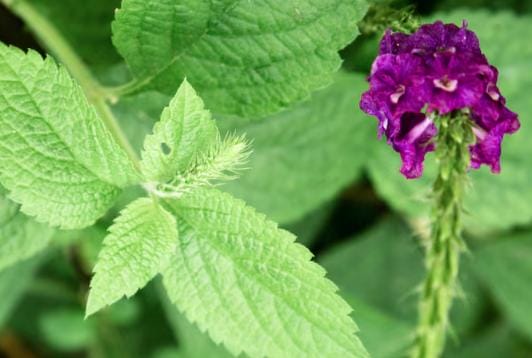
The global fertilizer market is valued at more than $230 billion annually. Comfrey is a natural super fertilizer because it grows fast, it is high in minerals, it has high biomass and it decomposes in about 48 hours.
The global fertilizer market is valued at more than $230 billion annually. Comfrey is a natural super fertilizer because it grows fast, it is high in minerals, it has high biomass and it decomposes in about 48 hours.
When it was discovered that nitrogen was the most important ingredient for both explosives and fertilizer, our military industrial complex and food production became dependent on vast stockpiles of synthetic chemicals. Many of the original chemical pioneers who built weapons factories found an easy shift from making bombs to making agricultural products and also pharmaceuticals. Examine the histories of Pfizer, Monsanto, Dow Chemical and DuPont and they follow a similar tract: explosives to agricultural. DuPont, Pfizer, and Monsanto all shifted into pharmaceuticals and biotech.
Chemical manufacturing began just prior to WWI, but as scientists and engineers were developing complex methods to synthesize nitrate, an old tradition was becoming far more precise: composting. Maintaining proper proportions of nitrogen and carbon would create ideal conditions for anaerobic decomposition. This process could quickly convert plant and animal waste into a growing medium that was a biological nutrient-producing powerhouse.