










Breaking News
Who Was The Biggest Antisemite In 2025?
 Putin residence attack jeopardizes US security guarantees
 NY Times Expose: CIA Fights Russia – Trump's Peace Deal Runs on Illusion
 Fearless Predictions, Ten Key Events to Expect in 2026
Top Tech News
 Laser weapons go mobile on US Army small vehicles
 EngineAI T800: Born to Disrupt! #EngineAI #robotics #newtechnology #newproduct
 This Silicon Anode Breakthrough Could Mark A Turning Point For EV Batteries [Update]
 Travel gadget promises to dry and iron your clothes – totally hands-free
 Perfect Aircrete, Kitchen Ingredients.
 Futuristic pixel-raising display lets you feel what's onscreen
 Cutting-Edge Facility Generates Pure Water and Hydrogen Fuel from Seawater for Mere Pennies
 This tiny dev board is packed with features for ambitious makers
 Scientists Discover Gel to Regrow Tooth Enamel
 Vitamin C and Dandelion Root Killing Cancer Cells -- as Former CDC Director Calls for COVID-19...



Daily Mail graphic reveals the bottled waters with the most cancer-causing 'forever chemicals
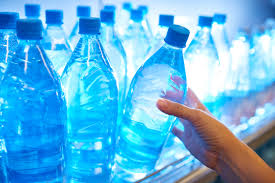
But lab tests have shown that, contrary to popular opinion, a pricier bottle does not mean purer water.
In fact, tests commissioned by the consumer watchdog app Oasis Health found plastic-derived 'forever chemicals' to be ubiquitous in bottled water, from budget-friendly brands like Deer Park and Poland Spring to upmarket favorites such as Essentia and Topo Chico.
Forever chemicals, known for repelling water and stains, coat the insides of plastic water bottles and their caps to prevent leaks. They are byproducts of plastic production that can take decades or even centuries to break down in both the environment and the human body.
Over time, these chemicals accumulate in the environment and the body, seeping into the water and food supply, becoming ubiquitous. When PFAS accumulate in the body's tissues, they disrupt essential biological processes.
This includes interfering with hormone regulation, sabotaging the body's ability to clear out bad cholesterol, promoting cancer-causing inflammation and, in pregnant women, disrupting fetal development, potentially leading to learning and developmental delays later on.
Plastic is known to be full of forever chemicals, and many people choose glass bottles to avoid the toxins, but now, testing has revealed that even water in glass bottles is not safe from PFAS contamination, which can also occur during the purification process, when water is stored or filtered through plastic systems.
The EPA sets a PFAS exposure limit at 0.4 parts per trillion (ppt), but the health guideline most researchers agree on is 0.1 ppt.
Oasis analysts scored thousands of bottled water brands, including Deer Park, SmartWater, Dasani and Fiji, among others.
The scoring methodology is a comprehensive, points-based system. For each product, a base score out of 100 is adjusted using penalties for risks and bonuses for transparency. The closer their ranking got to 100, the less contaminated they were.
For example, bottled water is penalized for missing third-party lab reports, the presence of contaminants, unsafe packaging materials, like certain plastics, or sourcing from municipal supplies.
Bonuses are awarded for brand transparency, like publishing test data.
The final score places the product into a clear risk band, from 'Excellent' (90–100) to 'Very Poor' (below 60), providing a standardized, science-backed way for consumers to compare the health safety of products within the same category.
In most instances, Oasis analysts did not specify the types of forever chemicals found in different bottles.
PFAS is a category that encompasses hundreds of molecules, each with its own risk profile, some known and some unknown.
Without knowing the specific chemical involved, it is difficult to gauge the risk associated with picking up a bottle of that water at the store.

