










Breaking News
 US Oil Blockade of Venezuela Pushes Cuba Into Economic Collapse
 Gold and Silver Surge to New Record Highs, What's Going On?
 Silver And Copper Are Both Flashing The Same Signal -- And That Is Setting The Stage...
 I Spoke At Turning Point USA - FULL SPEECH
Top Tech News
 Perfect Aircrete, Kitchen Ingredients.
 Futuristic pixel-raising display lets you feel what's onscreen
 Cutting-Edge Facility Generates Pure Water and Hydrogen Fuel from Seawater for Mere Pennies
 This tiny dev board is packed with features for ambitious makers
 Scientists Discover Gel to Regrow Tooth Enamel
 Vitamin C and Dandelion Root Killing Cancer Cells -- as Former CDC Director Calls for COVID-19...
 Galactic Brain: US firm plans space-based data centers, power grid to challenge China
 A microbial cleanup for glyphosate just earned a patent. Here's why that matters
 Japan Breaks Internet Speed Record with 5 Million Times Faster Data Transfer
 Advanced Propulsion Resources Part 1 of 2


Japan To Resume Operations At World's Largest Nuclear Plant 15 Years After Fukushima Disaster
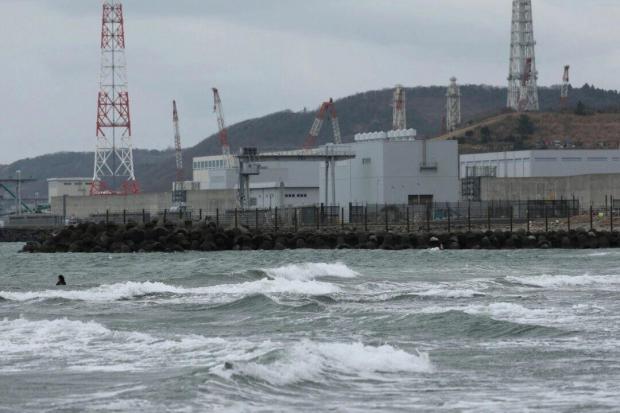
Kashiwazaki-Kariwa, located around 136 miles northwest of Tokyo, was among 54 reactors shut down after the nuclear disaster that occurred after the crippling of the Fukushima Daiichi nuclear plant in Japan in March 2011. The disaster occurred following the 9.0 magnitude Great East Japan Earthquake, which led to a large tsunami.
Japan has now resumed nuclear power generation at 14 of the 33 plants that remain operable, as part of its shift away from reliance on fossil fuels.
Kashiwazaki-Kariwa will be the first operated by Tokyo Electric Power Co (TEPCO), which also ran the Fukushima plant.
Operations can resume immediately following Niigata prefecture's assembly passing a vote of confidence on Niigata Gov. Hideyo Hanazumi on Dec. 22.
Hanazumi, who backed the restart last month, said after the vote, "This is a milestone, but this is not the end."
"There is no end in terms of ensuring the safety of Niigata residents," he said.
Deep Divisions
The assembly session revealed the community's deep divisions over the restart, in spite of lawmakers giving their backing to Hanazumi.
"This is nothing other than a political settlement that does not take into account the will of the Niigata residents," an assembly member told fellow lawmakers during the session.
Around 300 protesters gathered outside the assembly holding billboards with signs expressing their opposition to the resumption in operations, such as "No Nukes" and "Support Fukushima."
"I am truly angry from the bottom of my heart," Kenichiro Ishiyama, a 77-year-old protester from Niigata city, told reporters after the vote.
"If something was to happen at the plant, we would be the ones to suffer the consequences."
Evacuation Effects
An almost 50-foot tsunami disabled the power supply and cooling of three of Fukushima Daiichi reactors, causing a nuclear accident rated level 7 on the International Nuclear and Radiological Event Scale, with a high level of radioactive release occurring.
The evacuation has been criticized for having done more harm than good, due to the effects of stress on those displaced, particularly on elderly people. Experts have concluded that the loss of life would have been far smaller if all residents had done nothing at all, or were sheltered in place, instead of being evacuated.