










Breaking News
 Parsley: Nature's Powerful Ally in the Fight Against Cancer and Chronic Disease
 March 2: nobody to call
 Iran's Khamenei Killed & Austin Mass Shooting | PBD #750
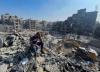 'Just Flatten It' Is the West's Answer to War
Top Tech News
 US particle accelerators turn nuclear waste into electricity, cut radioactive life by 99.7%
 Blast Them: A Rutgers Scientist Uses Lasers to Kill Weeds
 H100 GPUs that cost $40,000 new are now selling for around $6,000 on eBay, an 85% drop.
 We finally know exactly why spider silk is stronger than steel.
 She ran out of options at 12. Then her own cells came back to save her.
 A cardiovascular revolution is silently unfolding in cardiac intervention labs.
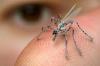 DARPA chooses two to develop insect-size robots for complex jobs like disaster relief...
 Multimaterial 3D printer builds fully functional electric motor from scratch in hours
 WindRunner: The largest cargo aircraft ever to be built, capable of carrying six Chinooks
 RNA Crop Spray: Should We Be Worried?


Two massive quakes in 48 hours spark 'megaquake week' warnings
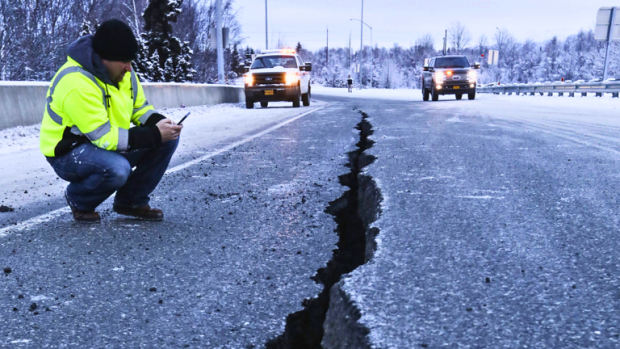
Two major earthquakes on opposite sides of the Pacific within roughly two days have jolted public anxiety, feeding talk of a looming "megaquake week" and raising fresh questions about how much shaking the planet can deliver in such a short span. The twin events, one in Alaska and one in northern Japan, were powerful enough to trigger tsunami alerts, damage infrastructure, and prompt government warnings about far larger disasters that scientists say are inevitable, even if not imminent.
I see a familiar pattern in the reaction: a dramatic cluster of quakes, a surge of social media speculation, and then a scramble to understand whether this is a prelude to something worse or simply the Earth doing what it has always done. The science points to a more measured reality, but the stakes, especially for coastal communities facing tsunami risk, are high enough that officials in Japan and the United States are treating this as a live-fire drill for the next truly catastrophic event.
How the "twin" quakes unfolded