










Breaking News
 The AI Bird-Flu Scenario They Just Published
 Japan's first robot ambulance works the 9-1-1 lines for humanoids
 Cheap smartphone add-on pinpoints hidden cameras to shut down spies
 The $600 Tank That Beats a $10,000 Powerwall
Top Tech News
 Terrifying AI Behavior Even Its Creators Couldn't Explain
 WW3 Near-Miss? AI Hallucinated Nuclear Weapons Components Aboard Chinese Vessel Bound For Iran
 Stripe Is Building the Toll Road for the Machine Economy
 Toyota Dakar hopeful swaps twin-turbo V6 for hydrogen fuel cells
 4-min turbo-inflatable cubic camp castle is now available in the USA
 Researchers Used Claude To Hack OpenAI Employee Accounts
 Chinese Scientists Develop New Oil Refining Method That Cuts Energy Use by 90%
 World's smallest CT scanner fits in the palm of your hand
 The Tesla Roadster will blow people's minds
 Peter Thiel-Funded Company Anduril to Triple the Number of Autonomous Surveillance Towers...



Parsley: Nature's Powerful Ally in the Fight Against Cancer and Chronic Disease
Introduction: The Untapped Power of a Common Herb
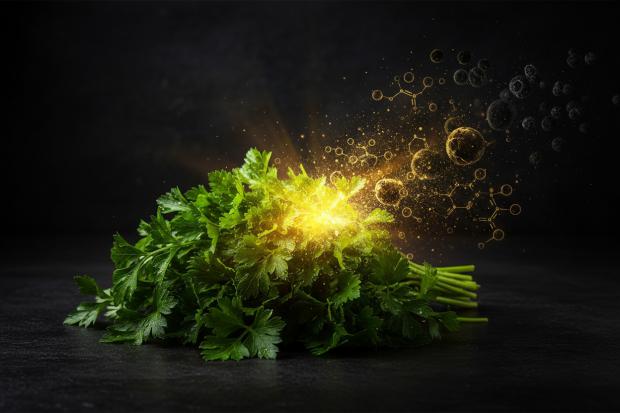
On the edge of your dinner plate, often tossed aside or relegated to decorative duty, lies one of nature's most potent medicinal tools: parsley. This humble, vibrant green herb, scientifically known as Petroselinum crispum, is far more than a mere garnish. It is a botanical powerhouse with a history of use spanning over 2,000 years in the Mediterranean, where ancient Greeks and Romans revered it for its symbolic and medicinal properties [1].
Today, mainstream nutritional narratives continue to suppress the profound truth about this accessible plant. While the public is bombarded with complex, expensive, and often toxic pharmaceutical solutions, a simple, low-cost herb sitting in most grocery stores contains compounds scientifically shown to combat cancer and promote vibrant health naturally. This article unveils the suppressed science of parsley, revealing how it serves as a cornerstone of true, holistic wellness in defiance of a corrupt medical-industrial complex.
Parsley's Cancer-Fighting Arsenal: Apigenin and Myricetin
The cancer-combating power of parsley is rooted in its dense concentration of specific flavonoids, a class of phytonutrients known for their high antioxidant activity [2]. Chief among these is apigenin, a compound that research indicates can induce apoptosis, or programmed cell death, in cancer cells while leaving healthy cells untouched. This targeted action is the holy grail of cancer therapy—a natural, selective toxicity that the harsh chemicals of chemotherapy fail to achieve [3].
Further bolstering this defense is the flavonol myricetin, also abundant in parsley. Scientific studies have demonstrated myricetin's potent anti-proliferative effects against numerous cancer lines [4]. It functions as a powerful antioxidant, helping to prevent the oxidative damage that can initiate carcinogenesis, offering a natural chemopreventive strategy that addresses disease at its root [5]. The presence of these compounds transforms a simple herb into a sophisticated, multi-targeted therapeutic agent.