










Breaking News
 The Homeless Industrial Complex:
 The Lucid Cosmos Will Have More Range Than Any Tesla
 Trump Admin Ends Medicaid Funding For Sex-Change Procedures On Kids
 Strong 3D printable elastic polymer resists damage
Top Tech News
 Vitalik Buterin Says Ethereum Is Betting Its Future On Quantum Security And AI
 Everything You Wanted To Know About Building A Cheap AI Setup (That Still Works)...
 If They Were Human, They'd Be Arrested. Experts Respond To Rogue AI Breaches
 Sodium Ion Batteries Will be 80% Cheaper & Last LONGER!
 German startup SAXON Q has introduced a diamond-based quantum computing system...
 Elon Musk To Build The Largest Building In The World - 100 Million Square Feet
 Bitcoin 'Red Team' Says AI Is Finding 100s Of Critical Exploits Across Core Projects
 EG4 Power Pro VS Ruixu Lithi VS Yixiang Budget Battery! Best Selling Battery Showdown!
 Insect wings can kill bacteria without any chemicals!
 Tesla Never Made An Electric Jet Boat, So This YouTuber Built One Himself



Could Your Fitbit Data Be Used To Deny You Health Insurance?
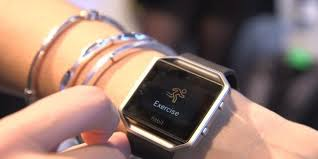
Wearing a fitness tracking device could earn you cash from your health insurance company. At first, this sounds lucrative for the people who participate, and good for the companies, who want healthier insurance customers. But it's not quite so simple.
Under the program, people who have certain health insurance coverage plans with UnitedHealthcare can elect to wear a Fitbit activity tracker and share their data with the insurance company. The data would be analyzed by Qualcomm Life, a company that processes medical data from wireless sensors for doctors, hospitals and insurance companies. Depending on how active participants are, as measured by the Fitbit, they could earn as much as US$1,500 toward health care services each year.