










Breaking News
 The Homeless Industrial Complex:
 The Lucid Cosmos Will Have More Range Than Any Tesla
 Trump Admin Ends Medicaid Funding For Sex-Change Procedures On Kids
 Strong 3D printable elastic polymer resists damage
Top Tech News
 Vitalik Buterin Says Ethereum Is Betting Its Future On Quantum Security And AI
 Everything You Wanted To Know About Building A Cheap AI Setup (That Still Works)...
 If They Were Human, They'd Be Arrested. Experts Respond To Rogue AI Breaches
 Sodium Ion Batteries Will be 80% Cheaper & Last LONGER!
 German startup SAXON Q has introduced a diamond-based quantum computing system...
 Elon Musk To Build The Largest Building In The World - 100 Million Square Feet
 Bitcoin 'Red Team' Says AI Is Finding 100s Of Critical Exploits Across Core Projects
 EG4 Power Pro VS Ruixu Lithi VS Yixiang Budget Battery! Best Selling Battery Showdown!
 Insect wings can kill bacteria without any chemicals!
 Tesla Never Made An Electric Jet Boat, So This YouTuber Built One Himself



Can't sleep? Insomniacs should try camping, say scientists
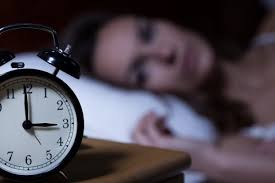
Over the years, insomniacs have been offered pills, plants, "mindfulness", and even special lamps to help them get off to sleep.
But it now turns out that a far simpler solution has always been at hand, and one that is, literally, all around: the great outdoors.
New research suggests that rather than lying in bed miserably counting imaginary sheep, insomniacs should get out among some real ones and try a spot of camping.
According to a new study, just a couple of nights under canvas is enough to reset the body's internal clock, enabling people to fall asleep more quickly.
Modern living is increasingly depriving people of sufficient natural light, causing the timing of their circadian rhythm to slip.
However, a new experiment by the University of Colorado revealed how a stint in the countryside is able to rapidly shift the timing forward by two and a half hours, allowing campers to go to bed at a civilised hour once they returned home.
The altered rhythms were detected by measuring levels of the hormone melatonin in the participants.
Going to bed late is thought to contribute not only to sleepiness and reduced productivity during the day, but also more serious conditions like mood disorders, diabetes and obesity.
"If a person wants to go to bed at an earlier hour, then a weekend camping could be just the thing," said Dr Kenneth Wright, who led the research.