










Breaking News
Immigration Causing Tribalization of America into Cultural Chaos
 The Evil Within, Part 4: The Welfare State
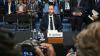 Watch Live: Jack Smith Testifies Before Senate Judiciary Committee
 This Invisible Thing Hitting Your Brain Every Day Could Be Why You Suffer From Brain Fog...
Top Tech News
 Tesla Model 3 killer charges from 10 to 97% in just 9 minutes
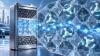 World-first unpowered DNA computer sets speed record
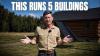 I Power 5 Buildings Off-Grid. Here's How
 The US government is pushing hard to get a working nuclear fission reactor into space by late 2028
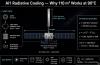 SpaceX Starmind AI in Space Radiator
 China Will Dominate Global Nuclear Energy Through 2035, Analyst Says
 These Absolutely Wild-Looking EVs Are Saudi Arabia's First Homegrown Cars
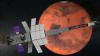 BEYOND THE MOON: NASA plans a nuclear-powered fleet to push DEEPER into space
 Big Oil Backs Mazama's $135 Million Bet On Superhot Geothermal
 Quantum compass takes flight on Northrop's Lumberjack drone


Why It's So Hard to Get Solar in Florida (That'd Be the Sunshine State)
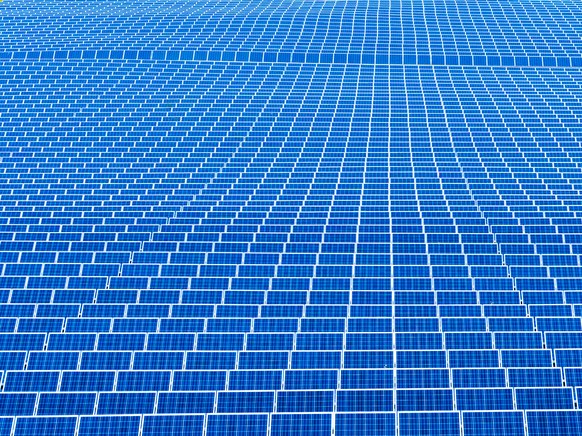
Solar energy is free. Solar panels, on the other hand … seriously, have you looked into buying these things? A rooftop setup capable of producing a daily dose of household energy can cost as much as a new car.
To make panels affordable, many rooftop solar users rely on leases and net metering arrangements that let them sell excess electricity back onto the grid. But not all states—including the so-called Sunshine State—allow leasing. A proposed amendment in Florida would finally allow leasing in the state, but it also contains language that would allow utility companies to charge solar panel consumers extra. If passed in November, the amendment (which is supported by a $12 million PAC funded by four of the state's largest utility companies) would undercut the economic advantage of installing solar panels in the first place. It's a solar skirmish that reflects larger questions about the economics of green energy.
About a third of all solar energy is produced by panels installed on homes or businesses (the rest comes from big, utility-scale installations). Seventy-two percent of those installations are owned by a third party—the solar panel company—either through leases or agreements that let the solar company profit from the energy the rooftop user generates. Florida is one of five states that specifically prohibit this kind of third-party ownership. People with rooftop solar, the state's logic goes, are providing a utility—and all utilities must be able to provide power 24 hours a day. Any utility unable to blast electrons into the grid on demand isn't allowed to lease. But even Florida gets dark sometimes (I know, some Sunshine State, right?).
That 24 hours a day thing might seem like a weird technicality, but it speaks to a real concern for power companies. Utilities don't just generate electricity. They build the infrastructure—power lines, transmission stations, transformers—that brings it to your house. "All users pay a percentage in their bill to cover the cost of those systems, maintaining that system," says Jocelyn Durkay, the energy senior policy specialist for the National Conference of State Legislatures, a nonpartisan policy analysis group based in Denver. "But having a solar rooftop system may result in a customer's bill being virtually zero."