










Breaking News
 Is Big Pharma Selling Postpartum Depression to New Moms?
 Make Men Men Again: Low T Is Now a National Defense Problem
 Druski: They're Lying To You About Overnight Success!
 $6.27 Diesel Just Hit Harvest. The Grocery Aisle Hasn't Felt It Yet.
Top Tech News
 Tesla Model 3 killer charges from 10 to 97% in just 9 minutes
 World-first unpowered DNA computer sets speed record
 I Power 5 Buildings Off-Grid. Here's How
 The US government is pushing hard to get a working nuclear fission reactor into space by late 2028
 SpaceX Starmind AI in Space Radiator
 China Will Dominate Global Nuclear Energy Through 2035, Analyst Says
 These Absolutely Wild-Looking EVs Are Saudi Arabia's First Homegrown Cars
 BEYOND THE MOON: NASA plans a nuclear-powered fleet to push DEEPER into space
 Big Oil Backs Mazama's $135 Million Bet On Superhot Geothermal
 Quantum compass takes flight on Northrop's Lumberjack drone


Geneticists announce plans to create an artificial human genome
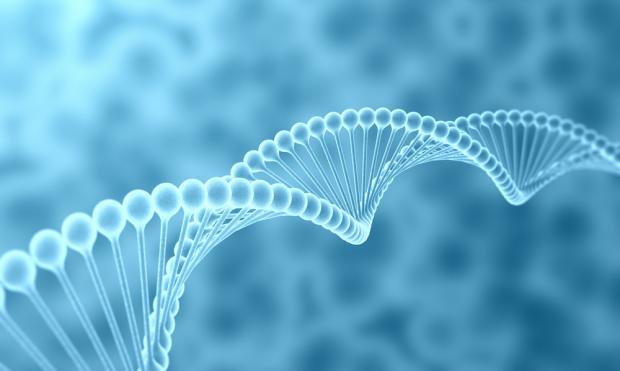
Their proposal, which was outlined Thursday in the journal Science, involves developing their own lab-made version of the entire human genetic code with the hope that their efforts may one day lead to important medical breakthroughs, according to NPR and the New York Times.
Dubbed the Human Genome Project–Write (HGP-Write) project, the goal is to synthesize the complete genome using its chemical components, and make it possible for them to function in actual human cells. Doing so will be no small task, as published reports have indicated that at least $100 million will initially need to be raised to pursue the task of creating the three billion base pairs of DNA required for a human cell to survive and function properly.
"We just had a revolution in our ability to read genomes, [and] the same thing is happening now with writing genomes," Church told NPR. "We have the ability to synthesize bacterial genomes and we can synthesize parts of human genomes. We would like to be able to scale that up so we can make larger and larger collections of genomes."