










Breaking News
 Is Big Pharma Selling Postpartum Depression to New Moms?
 Make Men Men Again: Low T Is Now a National Defense Problem
 Druski: They're Lying To You About Overnight Success!
 $6.27 Diesel Just Hit Harvest. The Grocery Aisle Hasn't Felt It Yet.
Top Tech News
 Tesla Model 3 killer charges from 10 to 97% in just 9 minutes
 World-first unpowered DNA computer sets speed record
 I Power 5 Buildings Off-Grid. Here's How
 The US government is pushing hard to get a working nuclear fission reactor into space by late 2028
 SpaceX Starmind AI in Space Radiator
 China Will Dominate Global Nuclear Energy Through 2035, Analyst Says
 These Absolutely Wild-Looking EVs Are Saudi Arabia's First Homegrown Cars
 BEYOND THE MOON: NASA plans a nuclear-powered fleet to push DEEPER into space
 Big Oil Backs Mazama's $135 Million Bet On Superhot Geothermal
 Quantum compass takes flight on Northrop's Lumberjack drone


Stem cell treatment reawakens limbs in wheelchair-bound stroke victim
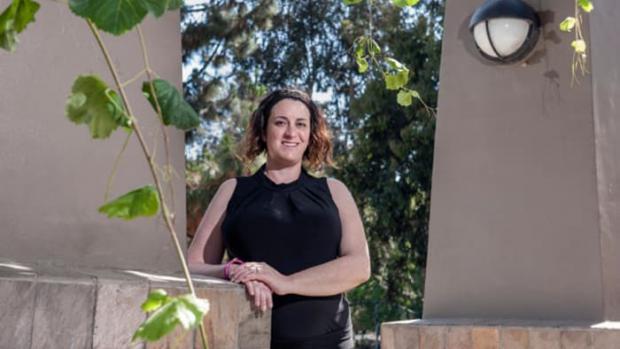
In research that could one day significantly cut recovery times for victims of these debilitating brain injuries, scientists have injected modified stem cells into the brains of patients and brought about substantial improvements to motor function, with one even regaining control of her limbs and leaving her wheelchair behind.
Around 15 million people suffer a stroke each year, according to the World Stroke Organization. The majority of these are classed as ischemic, which means that a clot has formed in a vessel carrying blood to a section of the brain to cut of its supply.
Immediate treatment to dissolve the clot in an ischemic stroke will boost the chances of a full recovery, but with only three or four hours to get to a hospital to have the clot-busting drugs administered, many victims miss this critical window and wind up sustaining lifelong disabilities.