










Breaking News
 Is Big Pharma Selling Postpartum Depression to New Moms?
 Make Men Men Again: Low T Is Now a National Defense Problem
 Druski: They're Lying To You About Overnight Success!
 $6.27 Diesel Just Hit Harvest. The Grocery Aisle Hasn't Felt It Yet.
Top Tech News
 Tesla Model 3 killer charges from 10 to 97% in just 9 minutes
 World-first unpowered DNA computer sets speed record
 I Power 5 Buildings Off-Grid. Here's How
 The US government is pushing hard to get a working nuclear fission reactor into space by late 2028
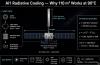 SpaceX Starmind AI in Space Radiator
 China Will Dominate Global Nuclear Energy Through 2035, Analyst Says
 These Absolutely Wild-Looking EVs Are Saudi Arabia's First Homegrown Cars
 BEYOND THE MOON: NASA plans a nuclear-powered fleet to push DEEPER into space
 Big Oil Backs Mazama's $135 Million Bet On Superhot Geothermal
 Quantum compass takes flight on Northrop's Lumberjack drone


Technique Allows Kidney Transplants From Any Donor

Every year, 4,500 Americans die waiting for a kidney transplant. It's not just because there aren't enough donors—part of the problem is that donors need to be compatible to prevent the recipient's body from rejecting the new kidney. They need the right blood type, but they also have to have the right combination of six antigens--molecules on a cell that have the capacity to trigger an immune response. Any two random people have a one in 100,000 chance that all six antigens will match, and even then it's not a guarantee that the kidney won't be rejected.
Fifteen years ago, researchers from the Johns Hopkins University School of Medicine started developing a technique to quiet the recipient's immune system, making even incompatible donors a match. Now, after an eight-year study and evaluating thousands of patients, they have proof that this immune-quieting method works better than the alternatives and is saving lives, which could make it more widespread. The researchers published a study today in the New England Journal of Medicine.