










Breaking News
 Florida's Skies Are About to Get Crowded -- DeSantis Puts Real Flying Cars in the Air by...
 'New' Iran Demands Repeat MoU Conditions
 China's Gold Buying Is Not Simply a Bet Against the Dollar
 "Niceness As Whiteness": Professors Denounce Politeness As Privilege
Top Tech News
 If They Were Human, They'd Be Arrested. Experts Respond To Rogue AI Breaches
 Sodium Ion Batteries Will be 80% Cheaper & Last LONGER!
 German startup SAXON Q has introduced a diamond-based quantum computing system...
 Elon Musk To Build The Largest Building In The World - 100 Million Square Feet
 Bitcoin 'Red Team' Says AI Is Finding 100s Of Critical Exploits Across Core Projects
 EG4 Power Pro VS Ruixu Lithi VS Yixiang Budget Battery! Best Selling Battery Showdown!
 Insect wings can kill bacteria without any chemicals!
 5th Small Modular Reactor Validated Since June, Poised For Mass Production
 Tesla Never Made An Electric Jet Boat, So This YouTuber Built One Himself
 What could possibly go wrong? Scientists use AI to design new viruses



China's Gold Buying Is Not Simply a Bet Against the Dollar
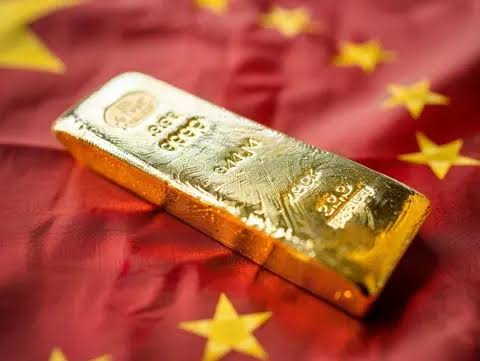
That makes a dramatic headline, but it confuses diversification with replacement and political ambition with market reality. The People's Bank of China increased its reported gold reserves by 640,000 fine troy ounces in July, nearly 20 metric tons. Holdings rose from 75.44 million to 76.08 million ounces, marking the largest monthly addition since October 2023 and extending the buying campaign to a twenty-first consecutive month.
The pace has accelerated from 160,000 ounces in March to 480,000 in June and 640,000 in July. China's gold reserves were valued at $306.35 billion at the end of July, but this remains only a fraction of the country's total reserve position.
If Beijing believed the dollar was about to disappear, why would it continue to maintain trillions of dollars in foreign-exchange reserves and operate within a world trading system still financed largely in dollars? China is not preparing for a theatrical dollar collapse. It is preparing for a world in which reserves can be frozen, payment systems can be weaponized, and sovereign debt can no longer be treated as politically neutral.
Gold is not another government's liability, it cannot be defaulted upon by its issuer, and physical bullion held within national control cannot be electronically frozen by a foreign treasury department.
The seizure of Russian assets changed the calculation for every central bank outside the Western alliance. China would be negligent if it ignored that precedent. Beijing has watched Washington restrict access to technology, impose financial sanctions, pressure international banks, and use the dollar-based clearing system as an instrument of foreign policy.
This does not mean China is buying gold because it expects to launch a war tomorrow. It means the political risk attached to foreign reserve assets has increased, and central banks respond to changes in risk long before politicians publicly admit that the rules have changed.
Gold provides insurance against confiscation and monetary fragmentation, but insurance is not the same thing as an operational currency. China still needs dollar liquidity to manage trade, stabilize the yuan, support domestic institutions, and navigate periods of international panic.
This is the part the dollar-collapse crowd refuses to understand. A country can reduce its exposure to U.S. sovereign debt while the dollar simultaneously strengthens against other currencies. Capital does not choose between perfection and failure. It chooses among available alternatives.
During a global crisis, private capital can flee Europe, Japan, emerging markets, and China itself while moving into dollars and gold at the same time. The dollar benefits from liquidity, collateral demand, dollar-denominated obligations, and the depth of American financial markets, while gold benefits from declining confidence in governments and the political neutrality of sovereign reserves.