










Breaking News
 The AI Bird-Flu Scenario They Just Published
 Japan's first robot ambulance works the 9-1-1 lines for humanoids
 Cheap smartphone add-on pinpoints hidden cameras to shut down spies
 The $600 Tank That Beats a $10,000 Powerwall
Top Tech News
 Terrifying AI Behavior Even Its Creators Couldn't Explain
 WW3 Near-Miss? AI Hallucinated Nuclear Weapons Components Aboard Chinese Vessel Bound For Iran
 Stripe Is Building the Toll Road for the Machine Economy
 Toyota Dakar hopeful swaps twin-turbo V6 for hydrogen fuel cells
 4-min turbo-inflatable cubic camp castle is now available in the USA
 Researchers Used Claude To Hack OpenAI Employee Accounts
 Chinese Scientists Develop New Oil Refining Method That Cuts Energy Use by 90%
 World's smallest CT scanner fits in the palm of your hand
 The Tesla Roadster will blow people's minds
 Peter Thiel-Funded Company Anduril to Triple the Number of Autonomous Surveillance Towers...



Kellogg says it's removing artificial dyes from cereals by the end of this year
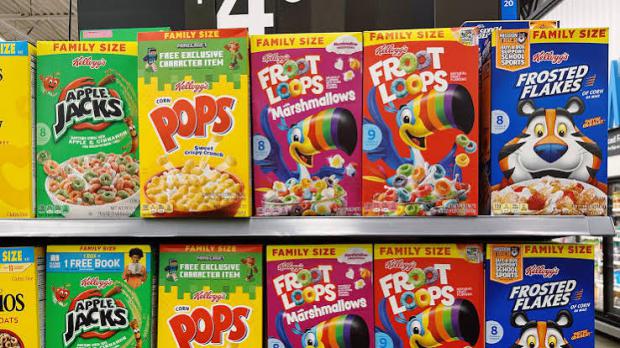
The change comes a year ahead of schedule. Kellogg said last August that it would remove synthetic dyes from its cereals by the end of 2027.
But the company said Thursday it has identified fruit- and vegetable-based juices that will give cereals like Froot Loops and Apple Jacks their distinctive colors. The Battle Creek, Michigan-based company said it has also invested in equipment that will allow it to transition to natural colors.
The company said it is also removing BHT, an artificial preservative, from the small number of cereals that still contain it.
"More and more consumers are looking for foods made with simple, recognizable ingredients and we are proud to meet those expectations even sooner than planned," Kellogg's Chief Growth Officer Doug VanDeVelde said in a statement.
Kellogg has faced pressure for years to remove artificial ingredients from its cereals, which it has already done in other countries like Canada. In 2024, dozens of people rallied outside Kellogg's headquarters and delivered petitions with 400,000 signatures asking the company to remove artificial dyes and BHT.
That pressure has grown under President Donald Trump's health secretary, Robert F. Kennedy Jr., who has urged food companies to phase out petroleum-based artificial dyes. Last August, Kellogg also signed an agreement with Texas Attorney General Ken Paxton saying it would "permanently remove toxic dyes" from its cereals by the end of 2027.
Retailers are also forcing companies to act. Earlier this year, Target said it would stop selling cereals that contain artificial colors by the end of May. Walmart has also said it will remove artificial colors from its store brands by January 2027.